
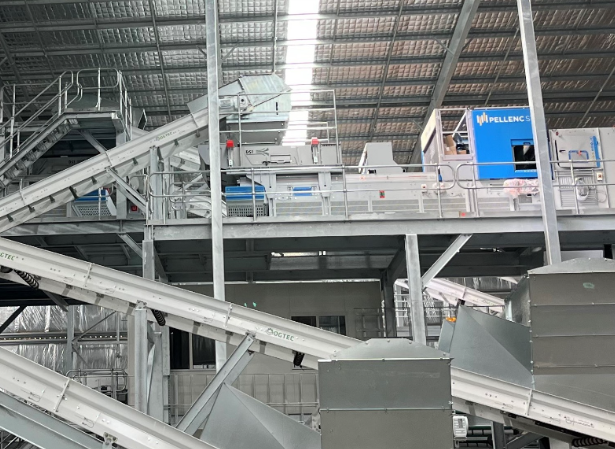
Textile waste has become an increasingly important environmental concern as clothing, household fabrics, and industrial textiles continue to be produced and discarded at high volumes. Many unwanted textiles contain valuable fibres and materials that can be recovered rather than sent directly to landfill. Improving collection, sorting, processing, and reuse can help reduce waste while making better use of existing resources. Across the country, textile recycling in Australia is becoming an important part of conversations around waste reduction and the development of a more circular economy.
Why Textile Waste Requires Better Management
Textiles can enter the waste stream from many different sources, including households, manufacturers, retailers, hospitality businesses, healthcare facilities, and industrial operations. Clothing is only one part of the problem. Curtains, bedding, uniforms, carpets, upholstery, and production offcuts can also contribute substantial volumes of discarded material.
When textiles are sent to landfill, their useful fibres and other recoverable components are lost. Some synthetic materials can also persist for long periods, while natural fibres may create environmental concerns as they decompose under landfill conditions. A more effective approach focuses on identifying which materials can be reused, repaired, repurposed, or processed into new materials.
How Textile Recycling Works
The recycling process generally begins with collection and sorting. Textiles need to be separated according to their fibre composition, colour, condition, and intended processing method. This stage is important because different materials require different approaches.
Reusable items may be directed toward resale, donation, or other forms of extended use. Damaged or unsuitable textiles can instead undergo mechanical or other forms of processing to recover fibres. These recovered materials may then be used in products such as insulation, industrial wiping materials, padding, or other applications.
Modern equipment can help make processing more consistent and efficient. A textile waste recycling machine may be used to support tasks such as opening, shredding, separating, or preparing textile materials for further processing. The appropriate equipment depends on the type, volume, and condition of the waste being handled.
The Benefits of Recycling Textiles
One of the main advantages of textile recycling is the opportunity to divert waste from landfill. Recovering existing fibres can also reduce the need for virgin raw materials, which may lower the resource requirements associated with producing new textile materials.
Recycling can also support a circular economy by keeping materials in use for longer. Instead of viewing discarded textiles as having no further value, businesses and communities can consider how those materials might be reused or transformed.
Another benefit is the potential reduction in demand for raw resources. Producing new fibres can require water, energy, chemicals, and other inputs. Recovering materials that already exist can help reduce some of these pressures, particularly when recycling is integrated into broader waste-management strategies.
Challenges Facing Textile Recycling
Despite its potential, textile recycling involves several practical challenges. Mixed fabrics can be difficult to separate because garments and other textile products may contain combinations of cotton, polyester, elastane, wool, dyes, coatings, and other components.
Contamination is another concern. Textiles that are wet, heavily soiled, or mixed with non-textile materials may require additional handling before they can be processed. Collection systems also need to be convenient enough to encourage people and businesses to separate textile waste correctly.
Supporting a More Circular Textile Industry
Australia’s approach to textile waste is increasingly focused on reducing disposal and finding higher-value uses for discarded materials. Businesses can contribute by identifying textile waste at its source, separating materials where possible, and working with appropriate recycling and recovery facilities.
Consumers can also help by purchasing durable products, repairing usable clothing, donating suitable items, and keeping unwanted textiles separate from general waste where dedicated collection options are available.
Ultimately, successful textile recycling in Australia depends on cooperation across the entire supply chain. Manufacturers, retailers, waste operators, recyclers, businesses, and consumers all have a role in keeping valuable materials in circulation and reducing unnecessary landfill disposal.
Conclusion
As textile consumption grows, recovering discarded materials will become increasingly important for responsible waste management. Better collection, sorting, processing, and reuse can help reduce landfill dependency while conserving valuable resources. Recycling solutions can support this transition by helping businesses and communities manage textile waste more effectively and move toward a more resource-efficient circular economy.