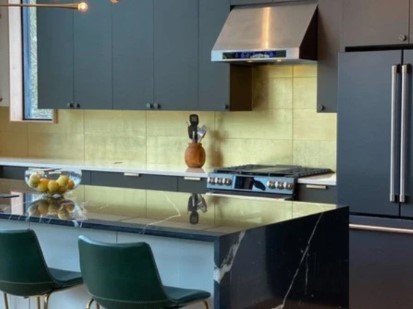


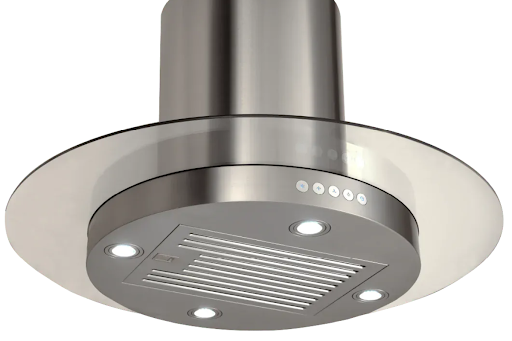
Kitchen ventilation plays a crucial role in maintaining air quality, especially in modern open-layout homes where cooking spaces are directly connected to living and dining areas. Among the most discussed solutions today are island-mounted ventilation systems designed for central cooktops. While exploring kitchen airflow solutions, ductless island range hoods have gained attention as a flexible alternative for homes where external venting is not possible.
A works on a similar principle, offering recirculating filtration without requiring ductwork to the outside, making it suitable for various kitchen layouts.
What Are Ductless Range Hoods?
A ductless range hood is a ventilation system that does not expel air outside the home. Instead, it pulls in smoke, grease, steam, and odors, filters them through internal systems, and then recirculates cleaner air back into the kitchen.
These systems typically use two types of filters:
- A grease filter that captures oil particles
- A charcoal or carbon filter that reduces odors
This process makes them useful in apartments, condos, and kitchens where structural modifications for ducting are not possible.
However, because air is not fully removed from the space, their performance differs from traditional ducted systems.
What Makes Island Range Hoods Different?
Island range hoods are installed above kitchen islands where cooktops are placed away from walls. Unlike wall-mounted or under-cabinet units, they are suspended from the ceiling and designed to capture rising smoke and steam from all directions.
These hoods must have stronger airflow coverage because air disperses more freely in open spaces. According to kitchen ventilation principles, island hoods are designed to handle centrally located cooking areas where smoke has no natural direction toward a w
When combined with ductless technology, they provide a solution for kitchens where ceiling ducting is not feasible.
How Ductless Island Range Hoods Work
A ductless island range hood operates in a continuous cycle:
- Air is drawn upward from the cooking surface
- Grease particles are trapped in metal filters
- Odors and fine particles pass through activated carbon filters
- Cleaned air is released back into the kitchen
This system is known as recirculating ventilation because it continuously cycles indoor air rather than expelling it outdoors. While this approach improves air quality around the cooking area, it does not fully remove heat or humidity from the space.
Ductless Under-Cabinet Vent Hood Explained
A ductless under-cabinet vent hood is a compact version installed beneath kitchen cabinets above a stove. It follows the same filtration-based principle as island models but is designed for smaller or more enclosed kitchen layouts.
Key characteristics include:
- Space-saving installation under cabinets
- Recirculating airflow system
- Activated carbon filters for odor control
- Easier installation compared to ducted systems
These units are commonly used in kitchens where external venting is unavailable or homeowners prefer a simpler setup.
Benefits of Ductless Ventilation Systems
Ductless island and under-cabinet hoods offer several practical advantages:
Easy Installation
No need for external ductwork, making them suitable for renovations or apartments.
Flexible Placement
Can be installed in a wider variety of kitchen layouts, especially where structural changes are limited.
Cost-Effective Setup
Lower installation costs compared to ducted systems.
Improved Basic Air Filtration
Helps reduce cooking odors and grease particles in everyday cooking environments.
Limitations to Consider
While ductless systems are convenient, they do have limitations:
- They do not fully remove heat or moisture
- Filters require regular replacement or cleaning
- Performance is weaker compared to ducted systems
- Less effective for heavy or high-heat cooking
In real-world use, they are best suited for moderate cooking rather than professional-level or high-smoke cooking environments.
Choosing Between Ductless and Ducted Systems
When deciding between ventilation options, it is important to consider the kitchen structure and cooking habits.
Ductless systems are ideal if:
- You cannot install external ducting
- You live in a rental or apartment
- You cook light to moderate meals
Ducted systems are better if:
- You cook frequently with high heat or smoke
- You want maximum air removal efficiency
- You are building or remodeling a kitchen
Conclusion
Ductless ventilation systems offer a practical solution for modern kitchens where traditional ducting is not possible. Understanding ductless under cabinet vent hood systems helps homeowners make informed decisions when selecting kitchen ventilation, while providing a flexible option for open-plan cooking spaces that require adaptable and easy-to-install airflow solutions.