


A pond can be peaceful on its own, but moving water makes it feel more alive. A floating water fountain adds motion, sound, and visual appeal without requiring a fixed base at the bottom of the pond. For homeowners, resorts, golf courses, parks, and commercial landscapes, it can turn a simple waterbody into a stronger focal point.
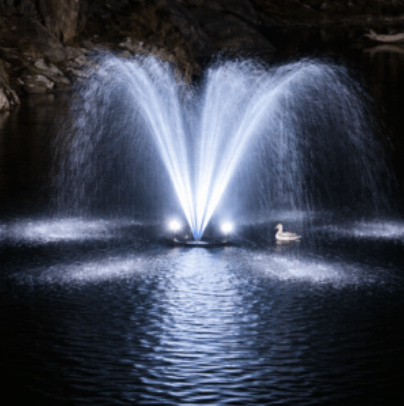
Floating water fountains are commonly used in ponds, lakes, hotels, resorts, gardens, and landscape areas to create decorative spray patterns and improve the look of outdoor water features. Many systems can also include LED lighting, including RGB and multicolor options for stronger night-time displays.
What is a floating water fountain?
A floating fountain is a fountain system that sits on the surface of the water. It usually includes a floating platform, pump, motor, nozzle, power cable, and spray assembly. Since it floats, it can rise and fall with the water level.
This makes it useful for ponds where the depth changes or where installing a fixed fountain base would be difficult. It can be placed in the center of a pond or positioned where the spray pattern is most visible. The result is a clean, attractive water display.
How does it improve pond appearance?
A fountain adds height, movement, and sparkle to still water. Spray patterns can range from simple vertical jets to wider fan shapes or multi-tier displays. This helps the pond look more designed and intentional.
Moving water also creates a relaxing sound. That sound can make outdoor seating areas, garden paths, and commercial spaces feel more inviting. For many properties, the fountain becomes the main visual feature of the landscape.
Can it support water movement?
Yes, floating fountains help circulate water near the surface. This movement can reduce stagnant-looking areas and make the pond feel fresher. In some settings, improved circulation may also support better oxygen exchange at the water surface.
However, fountain benefits depend on pond size, depth, pump capacity, and placement. Large or deep ponds may need more than one system or additional aeration equipment. A proper layout helps the fountain perform better.
What types of spray patterns are available?
Different nozzles create different water effects. Some produce tall streams, while others create umbrella, crown, geyser, or layered patterns. The right choice depends on pond size and the look you want.
Which pattern should you choose?
For small ponds, a moderate spray pattern often looks balanced. For large ponds or commercial landscapes, taller and wider patterns can create stronger visibility from a distance. Wind exposure should also be considered because very tall sprays can drift in open areas.
Why add lights to a fountain?
Lighting extends the fountain’s impact after sunset. Without lights, the water display may disappear at night. With LED fixtures, the spray can become a bright evening feature.
Outdoor LED fountain lighting is used to enhance the appearance and safety of outdoor water features such as fountains, ponds, and pools. LED options are valued for energy efficiency, long service life, bright output, and the ability to create visual effects such as static colors, fades, or dynamic patterns.
What makes multicolor lighting useful?
Multicolor lighting gives property owners more design flexibility. A warm white setting can look elegant for everyday use. Brighter colors can match holidays, weddings, events, brand colors, or seasonal themes.
RGB and RGBW fountain lights can create color-changing effects and may be controlled through compatible systems such as DMX controllers. This makes them useful for properties that want decorative lighting beyond a single fixed color.
Where are floating fountains used?
Floating fountains work well in many outdoor water features. They are often used where a pond needs a stronger visual appeal but a permanent structure is not practical. Their surface-mounted design makes them easier to position than some fixed fountain systems.
Common locations include:
- Residential ponds
- Garden ponds
- Farm ponds
- Resort landscapes
- Golf course ponds
- Public parks
- Commercial campuses
- Apartment communities
- Event venues
- Hotel entrances
Each location may need a different size, power level, and spray height.
What should buyers consider before purchasing?
Choosing the right fountain starts with pond size and available power. Buyers should also consider spray height, pump strength, cable length, installation needs, and maintenance access. The fountain should fit the pond without overspraying nearby paths or plants.
Important buying factors include:
- Pond surface area
- Pond depth
- Desired spray pattern
- Pump horsepower
- Power source
- Cable length
- Weather exposure
- Lighting options
- Maintenance requirements
- Warranty and support
These details help prevent poor fit and performance issues.
How do you maintain a floating fountain?
Routine maintenance keeps the fountain running smoothly. Debris, algae, leaves, and sediment can affect the pump or intake area. Regular cleaning helps protect performance.
Check the float, nozzle, pump intake, power connections, and anchor lines. If lights are installed, inspect lenses and wiring as well. Seasonal maintenance is also important in areas with freezing weather or heavy storms.
Final Thoughts
A floating fountain can make a pond more attractive, more active, and more enjoyable throughout the day. For owners who want the display to stand out after dark, adding multi color LED fountain lights during the final design stage can create a brighter, more flexible pond feature for evenings, holidays, and special events. With the right size, spray pattern, and placement, a floating water fountain can become a strong landscape feature for both private and commercial spaces.