
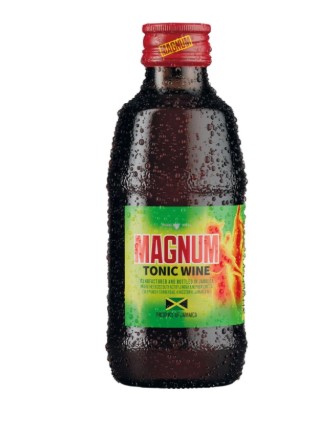
Alcohol strength can vary considerably between beers, wines, fortified wines, and spirits, so understanding alcohol by volume is important when comparing different beverages. Magnum Tonic Wine is a Jamaican fortified tonic wine sold in a compact 200ml bottle, but its smaller bottle size does not mean it has a low alcohol concentration.
One of the most common questions surrounding the drink concerns the Magnum alcohol percentage and how its strength compares with more familiar alcoholic beverages. Magnum Tonic Wine contains 16.5% alcohol by volume (ABV), placing it above most standard beers and many table wines while remaining considerably below typical spirits.
What Is the Magnum Alcohol Percentage?
The current Magnum alcohol percentage is 16.5% ABV. This means that alcohol accounts for 16.5% of the beverage’s total volume.
ABV, or alcohol by volume, is the standard measurement used to indicate how much pure alcohol is present in an alcoholic drink. A higher ABV generally means that a smaller volume of the beverage can contain the same amount of alcohol as a larger serving of a weaker drink.
Magnum Tonic Wine is sold in a 200ml format and is classified as a fortified tonic wine. Current retailer information identifies the bottle as containing approximately 3.3 UK alcohol units.
Understanding both ABV and serving size provides a more useful picture than looking at either figure independently.
Is 16.5% ABV Considered Strong?
An ABV of 16.5% makes Magnum Tonic Wine relatively strong compared with many commonly consumed alcoholic beverages.
Standard lagers and beers commonly fall somewhere around the mid-single-digit ABV range, although individual products can be weaker or considerably stronger. Many table wines are generally found in the low-to-mid teens. Fortified wines often sit higher because of their production method and intended style.
Therefore, the Magnum alcohol percentage puts the drink closer to fortified wine strength than ordinary beer strength.
The difference is important because it is easy to focus on the physical size of a bottle rather than its alcohol concentration. A 200ml container looks small compared with a standard wine bottle, but its higher ABV means the alcohol content should still be taken into account when calculating consumption.
How Much Alcohol Is in a 200ml Bottle?
A 200ml bottle at 16.5% ABV contains approximately 33ml of pure alcohol by volume.
The calculation is straightforward:
200ml × 16.5% = 33ml of pure alcohol.
Using the UK alcohol-unit system, where one unit represents 10ml or 8g of pure alcohol, that equates to approximately 3.3 units. This matches the unit information currently published for the 200ml bottle by major UK retailers.
This illustrates why bottle size alone is not a reliable indication of alcohol intake. ABV and total volume need to be considered together.
Why Is Magnum Called a Tonic Wine?
The term “tonic wine” refers to the style and history of the beverage rather than indicating that it provides medicinal benefits.
Current product information specifically states that the term does not imply health-giving or medicinal properties. Magnum is described as a ready-to-drink fortified tonic wine originating from Jamaica. Retail information also describes its flavour as mellow and syrupy sweet, with a distinctive cherry character.
People browsing specialist beverage retailers such as R&V Drinks may encounter tonic wines alongside a wide range of other alcoholic drink categories. Understanding how tonic wine differs from ordinary table wine can make the ABV figure easier to interpret.
How Does Magnum Compare With Beer?
The Magnum alcohol percentage is substantially higher than that of most mainstream beers.
For example, if a beer contains around 4% to 5% ABV, Magnum at 16.5% has more than three times the alcohol concentration by volume. That does not automatically mean one serving contains three times as much alcohol because serving sizes differ, but it demonstrates why direct comparisons should account for both volume and ABV.
A larger serving of lower-strength beer can sometimes contain a similar amount of pure alcohol to a much smaller serving of a stronger beverage.
For this reason, consumers comparing drinks should look at:
- Alcohol by volume
- Bottle or serving size
- Number of alcohol units
- Number of servings consumed
These figures provide a more meaningful comparison than beverage category alone.
Does the Sweet Taste Affect Alcohol Strength?
Sweetness does not reduce a beverage’s ABV.
Magnum is commonly described as having a syrupy, sweet profile with cherry notes, but its flavour should not be used to estimate its alcohol strength. Current product listings consistently identify the beverage as 16.5% ABV.
Some stronger beverages can taste smoother or sweeter than people expect. This makes checking the label particularly useful because perceived alcohol intensity is subjective and may not accurately reflect actual alcohol content.
The Magnum alcohol percentage remains the same regardless of whether an individual perceives its flavour as strong, mild, sweet, or warming.
What Does ABV Tell You About a Drink?
ABV represents the percentage of a beverage that consists of pure ethanol by volume.
For example:
A 5% ABV drink contains approximately 5ml of pure alcohol for every 100ml of liquid.
A 12% ABV drink contains approximately 12ml per 100ml.
A 16.5% ABV drink contains approximately 16.5ml per 100ml.
This standard measurement allows beverages of different types and sizes to be compared more accurately. However, ABV should always be considered alongside the volume consumed.
Checking packaging is also worthwhile because recipes, bottle formats, and product specifications can change over time.
Conclusion
The Magnum alcohol percentage is currently 16.5% ABV, making Magnum Tonic Wine noticeably stronger by volume than most standard beers and somewhat stronger than many ordinary table wines. Its 200ml bottle contains around 3.3 UK alcohol units, demonstrating why a relatively compact bottle can still contain a significant amount of alcohol. When comparing alcoholic and non-alcoholic drinks, reading the ABV label is much more reliable than judging strength from flavour, packaging, or serving size alone. Someone comparing beverage categories might also encounter products described using terms such as Corona 0 alcohol, where the alcohol profile is fundamentally different from a 16.5% fortified tonic wine. R&V Drinks offers a range of beverage options for those exploring different drink categories. Ultimately, understanding ABV, serving volume, and alcohol units together provides the clearest way to interpret drink strength and make informed decisions about consumption.