
A healthy pond depends on moving water. When water sits still, it can stagnate, and the fish and plants that live there pay the price. A pump keeps water circulating, and it can also create an attractive fountain display. Pumps come in many sizes, so matching power to pond size matters. For small to medium ponds, a 1/2 horsepower pond pump is one option worth understanding, because it balances power and efficiency. This guide explains what the horsepower and flow ratings mean, what to consider about electrical supply and cord length, and how circulation supports overall pond health and water clarity.
What the Horsepower and GPH Ratings Tell You
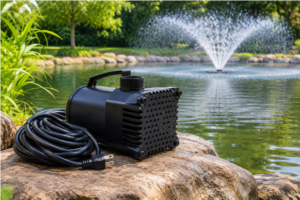
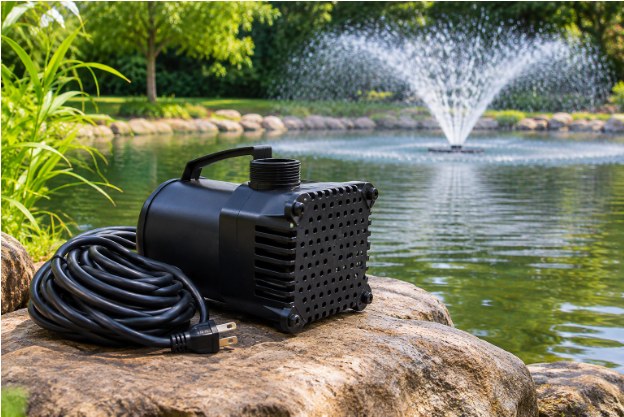
Pump ratings combine two numbers. Horsepower describes the motor, while GPH, or gallons per hour, describes how much water the pump moves. A 1/2 horsepower pond pump rated at 5,300 GPH is designed to move that volume each hour, offering a balance of power and efficiency for small to medium ponds. Comparing the two numbers together gives a clearer picture than looking at either one alone. For perspective, related pump options range from 4,000 GPH up to 6,600 GPH, so choosing the right size means considering the pond it will serve.
Circulation, Oxygen and Water Clarity
Moving water does real work in a pond. Steady circulation helps prevent stagnation, a condition that can undermine the health of everything living in the water. Improved oxygen flow supports fish, plants, and water clarity, helping a pond thrive naturally. A fountain display adds visual appeal on top of those functional benefits, since the pump can create an elegant spray. Together, these effects make circulation a practical priority rather than a purely decorative one.
Power Supply and Cord Length
Electrical details affect where a pump can go. Many pond pumps run on standard 120V power, which matches typical household supply in the United States. A longer cord gives more freedom in placement. A 1/2 horsepower pond pump equipped with a 100-foot electrical cord, for example, allows easy placement wherever the pond needs it most. Before buying any pump, measure the distance from the power source to the water and confirm that the cord can cover it. A cord that falls short can limit where the pump and fountain can be positioned.
Matching Pump Size to Pond Size
Size is among the most important decisions. This class of pump is described as ideal for small to medium ponds, while larger ponds may call for higher flow ratings, such as the 6,600 GPH option mentioned earlier. Pond dimensions and the kind of fountain display wanted both feed into the choice. A pond calculator can help estimate how much water needs to circulate before a purchase is made.
Durability and Long-Term Use
Pumps are built for long-term use, so durability deserves attention. Construction quality, ease of placement, and warranty coverage all contribute to a pump’s overall value. A two-year warranty, as offered with one 1/2 horsepower model, gives buyers a useful reference point when comparing options. Reading the product description carefully and confirming the flow rating, voltage, and cord length help avoid surprises after installation.
Setting Realistic Expectations
No single pump suits every pond. Water volume, desired display, and the available power supply all shape the result, and a pump that performs well in one setting may be a poor fit in another. Treat published ratings as a starting point, compare several options side by side, and keep the pond’s actual dimensions in mind throughout the decision.
Final Thoughts
A well-chosen pump keeps water moving, supports fish and plants, and adds a fountain display that makes a pond more enjoyable. Options such as a 1/3 HP pond fountain offer a lower flow rating of 4,000 GPH, so comparing ratings against pond size is essential. Whatever the size, compare ratings, cord length, and warranty before making a decision. Thoughtful planning at the start leads to clearer water, steadier circulation, and fewer problems later.