



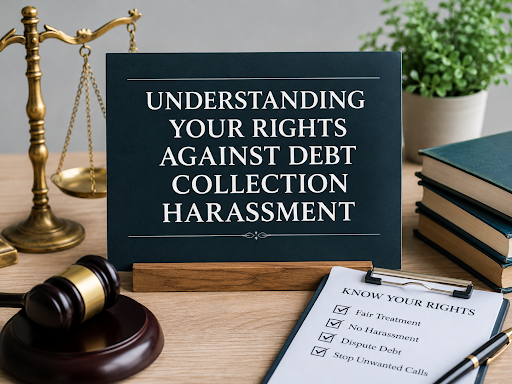
Managing debt can be stressful, but consumers should never have to endure intimidation, threats, or abusive behavior from debt collectors. While creditors and collection agencies have the legal right to recover legitimate debts, they must follow laws that protect consumers from harassment and unfair practices. Understanding these protections is essential for anyone facing repeated collection calls or aggressive communication.
When collection efforts become excessive or abusive, knowing your legal rights can make a significant difference. This is where debt harassment attorneys help individuals understand consumer protection laws, evaluate potential violations, and take appropriate legal action when necessary.
What Is Debt Collection Harassment?
Debt collection harassment occurs when collectors use abusive, deceptive, or unfair tactics while attempting to recover a debt. Consumer protection laws prohibit behaviors such as repeated calls intended to annoy, threats of violence, obscene language, false legal claims, and misleading statements. Collectors are also restricted in how and when they may contact consumers.
Common examples include:
- Repeated phone calls throughout the day
- Threats of arrest or imprisonment
- Using abusive or offensive language
- Contacting family members unnecessarily
- Misrepresenting the amount owed
- Pretending to be government officials or attorneys
Recognizing these behaviors is the first step toward protecting your rights.
Laws That Protect Consumers
Several consumer protection laws regulate debt collection practices. In the United States, the Fair Debt Collection Practices Act (FDCPA) prohibits debt collectors from engaging in abusive, deceptive, or unfair conduct while collecting certain personal debts. Additional protections may exist under state laws and credit reporting regulations.
These laws generally prohibit collectors from:
- Calling at unreasonable hours
- Using threats or intimidation
- Sharing debt information publicly
- Making false legal claims
- Contacting consumers after certain written requests
Understanding these protections empowers consumers to respond confidently to unlawful collection tactics.
Signs That Collection Efforts Have Crossed the Line
Not every collection attempt qualifies as harassment. However, certain behaviors may indicate violations of consumer protection laws.
Warning signs include:
- Receiving excessive phone calls every day
- Being contacted after requesting communication to stop
- Receiving misleading legal threats
- Being pressured to pay debts you do not owe
- Collection agencies discussing your debt with unauthorized third parties
If these situations occur, documenting every interaction becomes extremely important.
How Debt Harassment Attorneys Can Help
Recovering from debt collection harassment often requires more than simply ignoring unwanted calls. Debt harassment attorneys assist consumers by reviewing collection practices, determining whether legal violations have occurred, and explaining available legal options.
Their assistance may include:
- Reviewing collection records
- Evaluating potential FDCPA violations
- Communicating with debt collectors
- Assisting with legal claims
- Helping recover statutory damages when applicable
Professional legal guidance can simplify a situation that often feels overwhelming.
Steps to Take if You’re Being Harassed
If you believe a debt collector is violating your rights, consider taking the following steps:
Keep Detailed Records
Save emails, letters, text messages, and voicemail recordings. Record the dates, times, and content of every conversation.
Request Debt Verification
Consumers generally have the right to request written verification of a debt before making payments. Reviewing this information helps confirm whether the debt is legitimate.
Know Your Communication Rights
Consumers can request that collectors limit or stop certain communications. Although collection efforts may continue through other legal means, collectors must still comply with applicable laws.
Consult Legal Professionals
Speaking with a qualified debt harassment attorneys professional can help determine whether collection practices violate consumer protection laws and whether legal remedies may be available.
Preventing Future Collection Issues
Although financial difficulties sometimes cannot be avoided, consumers can reduce future complications by:
- Reviewing financial statements regularly
- Responding promptly to legitimate collection notices
- Monitoring credit reports
- Keeping payment records
- Verifying unfamiliar debts before making payments
Maintaining organized financial records makes it easier to resolve disputes if they arise.
When Should You Seek Legal Help?
Not every collection call requires legal intervention. However, professional assistance may be appropriate when:
- Collectors repeatedly violate communication rules.
- False information appears on your credit reports.
- You receive threats of arrest or violence.
- Collection agencies refuse to verify the debt.
- Harassment continues despite written requests.
In these situations, consulting a debt harassment lawyer can help you better understand your rights and determine the most appropriate course of action based on your circumstances.
Conclusion
Zemel law focuses on legal matters involving consumer protection and debt collection issues. No one should experience abusive or deceptive collection practices while managing financial obligations. Understanding consumer protection laws, keeping accurate records, and acting promptly can help minimize the impact of unlawful collection behavior. Whether you’re facing repeated calls, misleading threats, or other prohibited practices, debt harassment attorneys can help explain your legal rights and support you in addressing unfair debt collection practices through the appropriate legal channels. Choosing to seek professional guidance early often makes resolving these issues more effective and less stressful.