


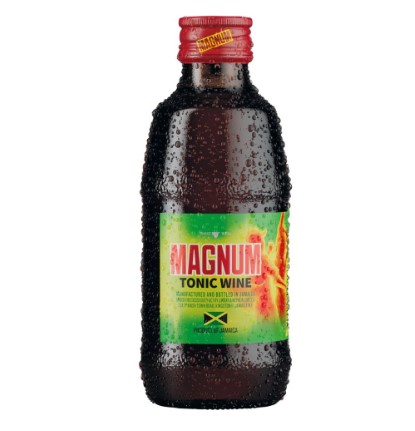
In today’s beverage market, fortified and flavoured alcoholic drinks have gained popularity among consumers looking for stronger and more distinctive taste profiles. One such drink is Magnum tonic wine, a Jamaican-origin fortified wine known for its bold flavour, higher alcohol content, and cultural association with social gatherings and nightlife. This drink is commonly sold in small 200ml bottles, making it convenient for individual consumption and casual occasions.
What is Magnum Tonic Wine?
Magnum tonic wine is a fortified alcoholic beverage that blends wine with added ingredients such as herbs, vitamins, and flavouring agents. It typically has an alcohol content of around 16.5%, which is higher than standard table wines. Originally developed in Jamaica, it has become widely recognized in Caribbean and international markets for its strong taste and energizing perception. The drink is often associated with music culture, social events, and late-night gatherings. The 200ml bottle format is especially popular because it offers a controlled serving size for a stronger alcoholic beverage.
Composition and Technical Characteristics
From a technical standpoint, magnum tonic wine is classified as a fortified wine. This means that distilled alcohol and additional ingredients are blended with fermented grape wine to increase both flavor intensity and alcohol strength.
Key characteristics include:
- Alcohol by volume (ABV): approximately 16.5%
- Base: fermented grape must or wine concentrate
- Additives: herbal extracts, vitamins, and flavor compounds
- Flavor profile: sweet, syrup-like with cherry and herbal notes
The combination of sweetness and alcohol strength gives it a distinctive taste that sets it apart from standard wines.
Flavor Profile and Sensory Experience
The sensory profile of Magnum tonic wine is one of its defining features. It is generally described as sweet and heavy-bodied with a strong aromatic presence.
Typical tasting notes include:
- Sweet cherry-like fruit aroma
- Herbal and slightly medicinal undertones
- Syrupy texture on the palate
- Warm alcoholic finish due to higher ABV
Because of its sweetness and strength, it is usually consumed in small quantities or mixed with other beverages.
Cultural and Social Significance
Beyond its composition, magnum tonic wine has a strong cultural identity. It is commonly associated with Caribbean heritage and urban nightlife scenes. Over time, it has become a recognizable product in party culture, particularly in regions influenced by Caribbean music and lifestyle trends.
Its compact bottle size and strong flavor have contributed to its popularity as a casual social drink rather than a traditional table wine.
Serving Methods and Consumption Styles
Magnum tonic wine can be consumed in several ways depending on personal preference:
- Chilled and consumed directly from the bottle
- Poured over ice for a milder taste
- Mixed with soft drinks or ginger-based beverages
- Used as a base in simple cocktail blends
Due to its sweetness and strength, moderation is generally recommended during consumption.
Market Availability and Packaging
The 200ml packaging format is widely used in retail distribution because it ensures portability and portion control. This size is commonly sold in convenience stores, beverage retailers, and online platforms.
On platforms like RV Drinks, Magnum tonic wine is listed as a ready-to-drink fortified beverage, reflecting its position in the modern alcohol retail market. The packaging is designed for convenience, durability, and easy storage.
Considerations Before Consumption
As with any alcoholic beverage, understanding strength and serving size is important. With a relatively high ABV compared to standard wine, Magnum tonic wine should be consumed responsibly.
Important considerations include:
- Higher alcohol concentration than regular wine
- Sweet flavor may mask strength perception
- Best consumed in controlled portions
- Not intended for rapid or excessive drinking
Responsible consumption ensures a better experience and reduces health risks associated with high-alcohol beverages.
Conclusion
Magnum tonic wine is a distinctive fortified beverage that combines strong alcohol content with sweet, herbal flavors and cultural significance. Its 200ml format makes it a popular choice for casual and social drinking occasions. As part of the broader fortified wine category, it continues to hold a unique position in the global beverage market. Retail platforms such as RV Drinks help make this product accessible to modern consumers seeking bold and flavorful drink options.