


A solitaire setting is one of the oldest and most enduring styles in fine jewelry, prized for putting a single stone front and center without competing details. Its simplicity is deceptive, though, since the setting style, metal choice, and stone cut all interact to determine how the ring ultimately looks and wears day to day. Anyone comparing solitaire engagement rings benefits from understanding a few core design elements before settling on a final choice, since small differences in prong style or band width can noticeably change both appearance and comfort over years of daily wear.
The Appeal Of A Single-Stone Design
The defining feature of a solitaire is restraint. Rather than surrounding the center stone with accent diamonds or intricate metalwork, the design draws all attention to one gem, letting its cut, clarity, and proportions speak for themselves. This minimalism also tends to age well stylistically, since solitaire engagement rings have remained popular across decades without feeling dated the way more ornate trends sometimes do. For many buyers, that timelessness is a major part of the appeal.
Prong Styles And Stone Security
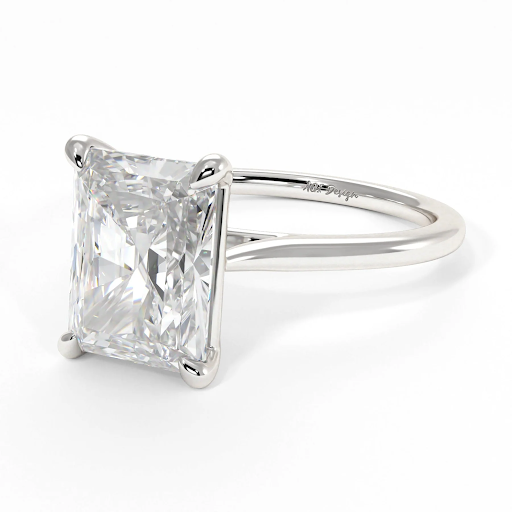
The number and shape of prongs holding the stone in place affect both security and visual weight. Four-prong settings show slightly more of the stone but offer marginally less protection at the girdle, while six-prong settings add extra security, which some wearers prefer for active lifestyles. Cathedral and knife-edge prong styles also change how light enters the stone from the sides, subtly affecting brilliance. Trying on a few prong variations in person often reveals a clear preference that photos alone don’t capture.
Band Width And Metal Considerations
Band thickness influences both comfort and how substantial the ring feels on the hand. Thinner bands emphasize the center stone more dramatically, while wider bands offer additional durability and can better suit larger or heavier stones. Metal choice, whether platinum, white gold, yellow gold, or rose gold, also affects long-term maintenance, since platinum resists tarnishing but shows scratches differently than gold alloys. Considering daily wear habits, including manual work or frequent hand washing, helps narrow down a metal that holds up well over time.
Stone Cut And Its Effect On Appearance
Round brilliant, oval, cushion, and emerald cuts each interact differently with solitaire engagement rings. Round and oval cuts tend to maximize sparkle due to their faceting patterns, while emerald and asscher cuts show off clarity more than brilliance, since their step-cut facets create a hall-of-mirrors effect rather than intense fire. Elongated cuts like oval and marquise can also create the illusion of a larger stone relative to actual carat weight, which is worth factoring in when comparing options within a set budget.
Comparing Stone Types Beyond Cut
Beyond cut and setting, buyers increasingly weigh how a stone was formed. Lab-grown stones have become a widely discussed alternative to mined diamonds, offering comparable optical properties at a different price point, while mined stones carry their own appeal tied to natural origin. This comparison matters just as much for solitaire engagement rings as it does for any other setting style, since the stone type affects grading, certification, and overall pricing.
Conclusion
Choosing between lab diamond engagement rings and other stone options ultimately comes down to personal priorities around origin, budget, and long-term value, but the setting itself deserves equal consideration. A well-chosen solitaire design balances prong security, band comfort, and stone cut in a way that suits both the wearer’s style and daily routine. Taking time to compare these elements in person, rather than relying solely on images, tends to lead to a choice that holds up well for years of everyday wear.