

Windows influence much more than the appearance of a home. They affect indoor temperature, daylight, ventilation, outside noise, maintenance, and even how comfortably a room can be used throughout the year. Older units can gradually develop drafts, damaged seals, difficult operation, or condensation between panes. For homeowners considering an upgrade, replacement windows can address several of these problems while also updating the home’s appearance. The right choice, however, depends on the existing window condition, climate, frame material, glazing, and installation requirements.
Signs Your Existing Windows May Need Replacing
Not every aging window needs to be removed. Minor hardware problems, worn weatherstripping, or isolated seal issues may sometimes be repaired. Replacement becomes more reasonable when several problems occur together or when the window no longer performs as it should.
Common warning signs include:
- Persistent drafts around closed windows
- Condensation or fogging between glass panes
- Frames showing significant deterioration or damage
- Windows that are difficult to open, close, or lock
- Noticeable increases in outdoor noise
- Rooms that become unusually hot or cold near the windows
- Recurring repairs that fail to resolve the underlying problem
Consumer Reports notes that replacing older, leaky single-pane windows can improve comfort and reduce drafts, while modern designs can also make cleaning and maintenance easier.
How Modern Windows Can Improve Energy Performance
Windows are an important part of a home’s thermal envelope. Poorly sealed or inefficient glazing can allow unwanted heat transfer and air leakage, making heating and cooling systems work harder.
Modern replacement windows may use double- or triple-pane glazing, low-emissivity coatings, insulating gas fills, and improved frame designs to reduce heat transfer. ENERGY STAR states that certified residential windows can reduce household heating and cooling costs by an average of up to 13% nationwide compared with non-certified products, although actual savings depend on the existing windows, climate, home design, and installation.
Performance should therefore be assessed using measurable specifications rather than simply choosing the newest-looking design. U-factor indicates how well a window resists heat flow, while Solar Heat Gain Coefficient (SHGC) indicates how much solar radiation enters through the glazing.
Choosing the Right Window Style and Material
Window style should suit both the room and the way occupants use it. Double-hung windows can provide flexible ventilation and are often designed for easier cleaning. Casement windows open outward and can provide substantial ventilation when conditions allow. Fixed windows, meanwhile, can maximize views and daylight where ventilation is not required.
Frame material also affects durability, maintenance, appearance, and thermal performance. Vinyl, wood, fiberglass, aluminum, and composite frames each have different characteristics. Aluminum frames can offer structural strength and slim profiles, while fiberglass is known for dimensional stability. Wood can provide a traditional appearance but generally requires more maintenance than some alternative materials.
The best option depends on the home’s existing architecture, exposure to weather, desired appearance, and performance requirements.
Consider the Whole Room Before Choosing
Window replacement should be considered as part of the room’s overall design rather than as an isolated upgrade. Think about daylight, ventilation, privacy, furniture placement, exterior views, and solar exposure before selecting a style.
A well-planned replacement windows project can improve comfort and appearance while addressing specific performance problems. However, homeowners should compare glazing specifications, frame materials, installation methods, and long-term maintenance rather than choosing based solely on appearance or price.
Conclusion
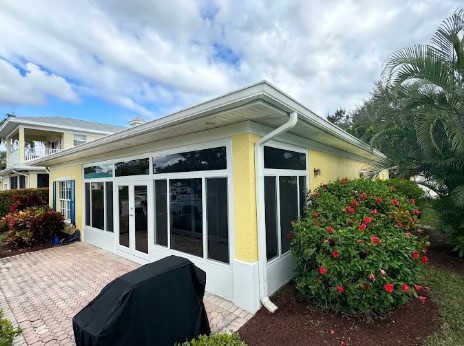
Choosing glass sunroom features alongside an efficient window strategy can help create a brighter, more comfortable extension of the living space. The most successful window upgrades begin with identifying existing problems, comparing measurable performance characteristics, and ensuring professional installation. This approach helps homeowners invest in improvements that support comfort, efficiency, durability, and everyday usability.