

Noise pollution is an increasing problem in modern life. Whether it comes from traffic, construction, snoring partners, or busy workplaces, constant noise can affect sleep, concentration, and overall health. One of the simplest and most affordable solutions is using earplugs for noise cancellation. These small devices are designed to reduce unwanted sound entering the ear canal, helping people sleep better, focus on work, or travel comfortably.
In this complete buyer’s guide for 2026, we will explore how earplugs work, the different types available, important features to consider, and how to choose the best option for your needs.
How Ear Plugs for Noise Cancellation Work?
Ear plugs are designed to fit inside the ear canal and create a seal that blocks or reduces external noise. Instead of electronically canceling sound like noise-canceling headphones, most ear plugs use passive noise reduction. This means they physically block sound waves from entering the ear.
The effectiveness of ear plugs is measured using a Noise Reduction Rating (NRR), which indicates how many decibels of sound they can reduce. For example, ear plugs with an NRR of 30 can significantly lower loud environmental noise. However, the actual reduction depends on proper fit and correct insertion.
Using ear plugs for noise cancellation can help reduce exposure to harmful noise levels, improve sleep quality, and protect hearing in loud environments.
Types of Ear Plugs Available
There are several types of ear plugs available on the market, each designed for different purposes.
Foam Ear Plugs
Foam ear plugs are among the most common and affordable options. They are made from soft polyurethane foam that expands inside the ear canal to create a tight seal. Foam ear plugs typically offer high noise reduction and are often used for sleeping, studying, or working in noisy environments.
Silicone Ear Plugs
Silicone ear plugs are flexible and moldable. Instead of entering deeply into the ear canal, they sit at the entrance and create a seal over the ear. They are reusable and comfortable for many users.
Wax Ear Plugs
Wax ear plugs are made from a mixture of wax and cotton. They mold easily to the shape of the ear and are often used by people who need a softer and more customized fit.
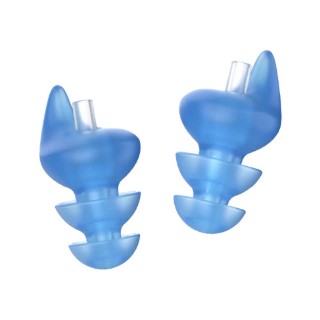
Reusable Flanged Ear Plugs
These ear plugs are usually made from rubber or silicone and have multiple flanges that help block sound. They are commonly used for travel, concerts, or swimming.
Each type of ear plugs for noise cancellation has its own advantages depending on the user’s needs.
Key Features to Consider Before Buying
When choosing ear plugs, several factors should be considered to ensure comfort and effectiveness.
Noise Reduction Rating (NRR)
One of the most important factors is the NRR. Higher ratings generally provide better protection from loud environments. For sleeping or studying, ear plugs with an NRR between 28 and 33 are often recommended.
Comfort and Fit
Comfort is essential, especially if you plan to wear ear plugs for long periods. The ear plug should fit snugly without causing pressure or irritation.
Material Quality
High-quality materials ensure durability and safety. Hypoallergenic materials are ideal for people with sensitive skin.
Reusability
Some ear plugs are designed for single use, while others can be cleaned and reused multiple times. Reusable options may be more cost-effective in the long run.
Purpose of Use
Different situations require different types of ear plugs. For example, sleeping ear plugs prioritize comfort, while industrial ear plugs focus on maximum noise protection.
Choosing the right ear plugs for noise cancellation depends on understanding how and where they will be used.
Benefits of Using Ear Plugs for Noise Cancellation
Ear plugs offer several practical benefits beyond simply reducing noise.
First, they can significantly improve sleep quality by blocking disruptive sounds such as snoring, traffic, or loud neighbors. Many sleep experts recommend ear plugs as a simple solution for people who struggle with nighttime noise.
Second, ear plugs help improve concentration and productivity. Students and professionals often use them to create a quieter environment for studying or working.
Third, ear plugs protect hearing in loud environments. Prolonged exposure to noise above 85 decibels can damage hearing over time. Using ear plugs during concerts, construction work, or travel can help prevent long-term hearing loss.
Finally, ear plugs are portable, affordable, and easy to use, making them one of the most convenient noise reduction tools available.
Tips for Proper Use
To get the best results from ear plugs, proper insertion is important. Foam ear plugs should be rolled tightly before inserting into the ear canal. Once inserted, they expand to create a secure seal.
Keeping ear plugs clean is also essential, especially for reusable types. Dirty ear plugs can cause irritation or infections. Always store them in a clean case and replace them when they become worn or damaged.
Conclusion
Noise is an unavoidable part of modern life, but managing it effectively can improve sleep, productivity, and overall well-being. Ear plugs provide a simple and affordable solution for reducing unwanted sound in many everyday situations. For people looking for maximum comfort during rest, silicone ear plugs for sleeping are often considered one of the best options available. By understanding the different materials, noise reduction ratings, and comfort features, buyers can choose the best ear plugs for noise cancellation based on their personal needs.