



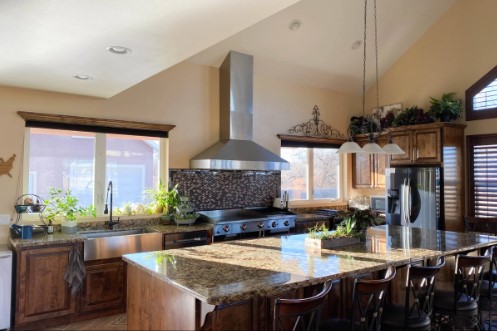
The range hood is one of the hardest-working parts of a kitchen. It pulls smoke, grease, steam, and odors away from the cooktop, and it also adds lighting and style above the stove. For homeowners with a 36-inch range or cooktop, a 36-inch stainless range hood is a common match because the width covers the cooking surface while the finish suits most kitchen designs. This guide covers sizing, airflow, installation styles, materials, and care so you can choose with confidence.
Why Width Matters
A hood generally works best when it is at least as wide as the cooking surface beneath it, so a 36-inch model suits a 36-inch range. Matching the width helps capture rising smoke and grease before they spread through the room. Many manufacturers offer the same models in several widths, from 24 inches up to 48 inches, which makes it easier to keep a consistent look if you remodel later.
Understanding CFM and Airflow
CFM, or cubic feet per minute, measures how much air a hood moves. As a general guide, 600 to 900 CFM suits most home cooks with standard ranges and moderate cooking habits. A range of 900 to 1200 CFM works better for avid cooks or larger ranges that produce more exhaust, and 1200 CFM or more is typically reserved for outdoor grills and professional setups that handle heavy grease and intense fumes. Some 36-inch models reach 2000 CFM with dual motors. When shopping for a 36-inch stainless range hood, match the airflow to how you actually cook rather than choosing the highest number.
Installation Styles and Venting Options
Hoods come in several installation styles. Wall-mounted models attach to the wall above the range, under-cabinet models fit beneath existing cabinetry, island hoods hang over a cooktop that sits away from the wall, and inserts are built into a custom hood enclosure. Venting is the other major choice. Ducted hoods send air outside, while ductless hoods recirculate air through filters.
Stainless Steel Grades and Finishes
Most hoods in this size use either 430 or 304 stainless steel. Grade 430 is durable and common for indoor kitchens. Grade 304 is a premium option known for durability and weather resistance, which makes it the better choice in humid regions or for outdoor kitchens. Outdoor-rated models add protection against humidity, rain, and temperature changes. Beyond the metal itself, look for practical features such as adjustable fan speeds, push-button controls, and energy-efficient LED lighting that illuminates the cooktop.
Keeping the Surface Clean
Stainless steel is easy to clean, but it shows fingerprints and grease film quickly above a stove. For routine care of a 36-inch stainless range hood, wipe the surface with a soft microfiber cloth and warm water mixed with a little mild dish soap. Always wipe in the direction of the grain, then dry with a clean cloth to prevent water spots. Avoid steel wool and abrasive pads, which can scratch the finish. Wash or replace filters on the schedule in the owner’s manual, since clogged filters reduce airflow.
Planning Before You Buy
Measure the width of your range and the available wall or cabinet space before ordering. Check the duct size and route, and confirm whether outside venting is possible. Consider noise levels, since higher airflow usually means more fan sound, and plan for easy access to filters and controls. Reviewing warranty and return terms in advance, including any restrictions on certain components, can prevent surprises.
Final Thoughts
The right hood balances width, airflow, venting, materials, and ease of maintenance. Once it is installed, regular upkeep keeps it looking sharp, and anyone searching for how to clean stainless steel appliances without streaks will find that the same habits apply across the kitchen: soft cloths, mild soap, wiping with the grain, and thorough drying. Careful planning today means cleaner air and a better cooking space for years.