

Healthcare facilities, research laboratories, diagnostic centers, and veterinary clinics generate waste that can pose serious health risks if not handled correctly. Materials contaminated with blood, bodily fluids, infectious microorganisms, or other biological agents require specialized handling to prevent disease transmission and environmental contamination. This makes biohazard waste management an essential part of modern healthcare and laboratory operations.
According to the World Health Organization (WHO), approximately 15% of healthcare waste is considered hazardous, including infectious, chemical, and pharmaceutical waste. Improper handling of these materials can expose healthcare workers, waste handlers, patients, and the public to infections and toxic substances while contributing to environmental pollution.
What Is Biohazard Waste Management?
Biohazard waste management is the process of identifying, segregating, collecting, storing, transporting, treating, and disposing of biological waste that may contain infectious agents or other hazardous materials. The objective is to minimize health risks while ensuring compliance with applicable environmental and public health regulations.
In the middle of developing effective healthcare safety protocols, implementing biohazard waste management practices helps reduce the spread of infectious diseases while creating a safer working environment for healthcare professionals and support staff.
Types of Biohazard Waste
Understanding the various categories of biohazardous waste is essential for proper disposal.
Infectious Waste
This includes materials contaminated with blood, body fluids, laboratory cultures, or other infectious substances capable of transmitting disease.
Sharps Waste
Used needles, scalpels, syringes, lancets, and broken medical glass require puncture-resistant containers to prevent accidental injuries and infections.
Pathological Waste
Human tissues, organs, body parts, and biological specimens generated during medical procedures require specialized treatment before disposal.
Laboratory Waste
Research and diagnostic laboratories often generate contaminated cultures, specimen containers, and disposable laboratory equipment that must be handled carefully.
Contaminated Personal Protective Equipment
Gloves, gowns, masks, and other protective equipment exposed to infectious materials may also require biohazard disposal depending on the level of contamination.
Why Proper Biohazard Waste Management Matters
Protects Public Health
Safe handling and disposal reduce the risk of exposure to infectious microorganisms for healthcare workers, sanitation staff, patients, and surrounding communities.
Reduces Environmental Impact
Proper treatment prevents hazardous biological materials from contaminating soil, groundwater, and surface water, helping protect ecosystems and public resources.
Improves Workplace Safety
Effective segregation and storage reduce accidental exposure, needlestick injuries, and cross-contamination within healthcare and laboratory environments.
Supports Regulatory Compliance
Healthcare organizations are expected to follow established waste management procedures to ensure hazardous waste is handled safely throughout its entire lifecycle.
Key Steps in Biohazard Waste Management
An effective waste management program typically includes several important stages.
Waste Segregation
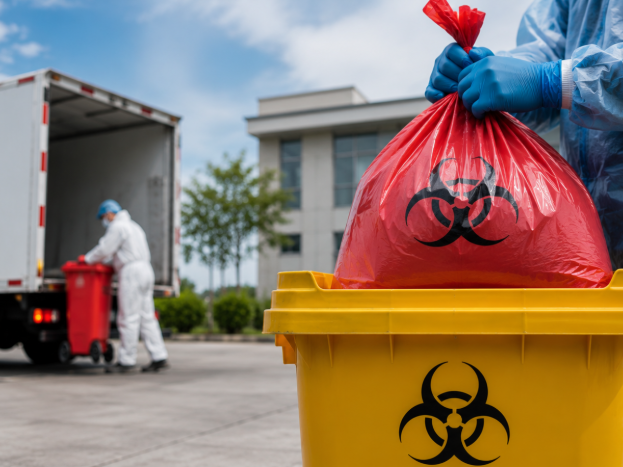
Biohazardous waste should be separated from general waste immediately at the point of generation using clearly labeled, designated containers.
Secure Storage
Collected waste should be stored in controlled areas that prevent unauthorized access while minimizing exposure risks.
Safe Transportation
Licensed waste transport providers move biohazard waste using approved containers and vehicles designed to prevent spills or accidental release.
Treatment
Depending on the waste category, treatment methods may include autoclaving, steam sterilization, chemical disinfection, or high-temperature incineration to eliminate infectious hazards.
Final Disposal
After appropriate treatment, waste is disposed of according to applicable environmental regulations and approved disposal methods.
Best Practices for Healthcare Facilities
Organizations can strengthen their waste management programs by following several best practices:
- Train employees regularly on waste handling procedures.
- Use clearly labeled and color-coded waste containers.
- Segregate hazardous waste at the point of generation.
- Maintain accurate waste tracking records.
- Conduct regular compliance audits.
- Review waste reduction opportunities whenever possible.
These practices improve workplace safety while supporting responsible environmental management.
Common Challenges
Healthcare organizations often face challenges such as increasing waste volumes, staff training requirements, evolving regulations, and maintaining proper segregation. Developing standardized procedures and providing ongoing education can help minimize these challenges while improving operational efficiency.
Conclusion
Effective biohazard waste management is essential for protecting healthcare workers, patients, waste handlers, and the environment from potentially infectious materials. Through proper segregation, secure storage, safe transportation, appropriate treatment, and compliant disposal, organizations can significantly reduce health and environmental risks. An equally important aspect of this process is pharmaceutical waste management, which ensures expired, unused, and contaminated medications are handled safely to prevent environmental contamination, reduce public health risks, and support sustainable healthcare practices. As healthcare services continue to expand, implementing comprehensive waste management systems remains a vital component of responsible operations.