
A pond fountain can change the appearance of a landscape within minutes, but choosing one involves more than selecting an attractive spray. Pond depth, available electricity, wind exposure, and maintenance access all influence performance. A fountain that looks impressive in photographs may be poorly suited to a shallow or irregularly shaped pond.
A 1/2 HP floating pond fountain offers a middle ground between smaller decorative units and more powerful installations. Understanding its capabilities can help property owners decide whether this size fits their water feature without relying on horsepower alone.
Start With the Pond, Not the Pump
Before comparing fountains, measure the pond’s approximate surface area and depth. Identify shallow shelves, aquatic plants, submerged obstacles, and the distance to a suitable electrical supply.
Depth is especially important. Some half-horsepower floating fountain systems specify a minimum water depth of 36 inches. Installing one in shallower water can expose the pump to unsuitable operating conditions or increase the risk of drawing in sediment.
Wind matters too. A wide spray pattern near a patio or walking path may create unwanted drift. Consider where falling water will land during breezy conditions, not just on a calm afternoon.
What Does Half a Horsepower Actually Tell You?
Horsepower describes motor power, not the complete fountain experience. Pump flow, nozzle design, spray height, and operating conditions determine the visible result.
For example, one available 1/2 HP floating pond fountain is listed with a maximum flow rate of 5,300 gallons per hour and five interchangeable spray nozzles. Different nozzles create different heights and widths even when powered by the same pump.
That flexibility makes spray selection a practical design decision. A narrow, taller pattern can create a focal point, while a wider pattern may suit a broad open water surface. Check the manufacturer’s dimensions before choosing.
A Fountain Is Not a Complete Pond Treatment Plan
Moving water can encourage surface circulation and gas exchange. However, a decorative fountain does not automatically provide sufficient oxygen throughout a deep pond, particularly when deeper water remains stratified.
Fish populations, nutrient loading, seasonal temperatures, and pond geometry all affect oxygen needs. If aquatic health is the main goal, a pond professional may recommend additional testing or a dedicated aeration system.
Think of a 1/2 HP floating pond fountain as one potential element of pond management rather than a guaranteed solution to algae, odors, or water quality problems.
Should You Add Lighting?
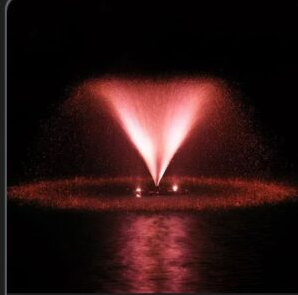
Lighting changes how a fountain functions as a landscape feature after sunset. White LEDs emphasize the outline of moving water, while color-changing options create a more decorative atmosphere.
Some half-horsepower fountain packages offer three-light, low-voltage LED systems, but compatibility should never be assumed across different models.
Consider nearby homes and wildlife as well. Excessive brightness or overnight illumination may be unnecessary in a quiet garden setting. A timer can provide evening visibility without leaving the display running all night.
Plan Installation and Upkeep Together
A 1/2 HP floating pond fountain needs secure positioning, adequate clearance, and an electrical connection that meets manufacturer instructions and local requirements. Use a properly protected outdoor circuit and qualified electrical assistance where needed.
Keep anchoring arrangements separate from delicate components, following the specific product instructions. Inspect the intake protection system and remove accumulated debris as recommended. Disconnect power safely before any cleaning or servicing.
In freezing climates, check whether the unit must be removed before ice forms. Seasonal care is easier when the fountain can be retrieved without disturbing the surrounding landscape.
Conclusion: Choose for the Water You Have
The most satisfying fountain is not necessarily the largest or tallest. It is the one that fits the pond’s dimensions, electrical setup, and daily use. A 1/2 HP floating pond fountain can create an engaging display when its depth requirements, spray characteristics, and upkeep needs match the site. Compatible water fountain lights should be selected according to electrical requirements, mounting points, weather resistance, and intended water exposure. Measure first, compare specifications carefully, and plan for maintenance before installation, especially during changing weather and seasonal conditions. Those decisions will shape the experience long after the first spray reaches the air.