

Busy schedules can make it difficult to maintain consistent energy throughout the day. Commuting, exercise, travel, long work hours, and mentally demanding tasks can all contribute to fatigue, especially when meals, hydration, or rest are not perfectly timed. In these situations, some people consider a portable energy supplement because it can be carried easily and used without the preparation required by coffee, powders, or other traditional energy products.
However, convenience should not be the only consideration. The value of any energy product depends on its ingredients, serving size, stimulant content, and intended purpose. Understanding these factors can help people decide whether a compact energy supplement fits their routine and how to use one more thoughtfully.
What Is a Portable Energy Supplement?
A portable energy supplement is a compact dietary product designed to support alertness, concentration, or physical performance while being easy to carry.
Common formats include:
- Gummies
- Chews
- Capsules
- Tablets
- Single-serving powders
- Small liquid shots
The main advantage is convenience. A portable product can usually fit into a pocket, backpack, gym bag, purse, or travel case without taking up much space.
The format itself, however, does not determine effectiveness. A gummy and a capsule can potentially serve similar purposes if they contain comparable active ingredients in similar doses.
Which Ingredients Are Commonly Used for Energy?
Energy-focused supplements can contain several types of ingredients, each serving a different purpose.
Caffeine
Caffeine is one of the most commonly used ingredients because it can temporarily increase alertness and reduce feelings of tiredness.
It works mainly by blocking adenosine receptors in the brain. Adenosine gradually contributes to sleepiness during waking hours, so reducing its activity temporarily can make a person feel more awake.
A caffeine-containing portable energy supplement may therefore be useful before a demanding work session, exercise, or other activity that requires sustained attention.
Carbohydrates
Carbohydrates provide usable fuel and can be especially relevant during longer periods of physical activity.
Unlike caffeine, which primarily influences the nervous system, carbohydrates can directly contribute to energy availability for working muscles.
B Vitamins
B vitamins support normal energy metabolism by helping the body process nutrients from food.
They are essential for normal function, but taking additional B vitamins does not necessarily create an immediate burst of energy in someone who already consumes sufficient amounts.
Why Is Portability Useful?
The practical advantage of a portable energy supplement becomes most obvious when a person is away from home.
Coffee may not always be available, powders require mixing, and large energy drinks may be inconvenient to carry. Compact supplements can be easier to use during:
- Travel
- Hiking
- Running
- Gym workouts
- Business meetings
- Long commutes
- Outdoor events
- Study sessions
Portability may also support better portion control when the product clearly lists the amount of caffeine or other active ingredients per serving.
That can make intake easier to track compared with drinks whose serving sizes or caffeine amounts may vary.
Can Portable Energy Supplements Help With Exercise?
They can, depending on the ingredients.
Caffeine has been extensively studied in sports nutrition and may support endurance, alertness, and perceived effort during certain types of exercise.
A portable energy supplement containing caffeine can therefore be convenient before running, cycling, strength training, or other demanding activity.
Some products may also contain carbohydrates, which can become especially useful during prolonged exercise.
However, supplementation is not necessary for every workout. Shorter training sessions can often be supported through normal meals, hydration, and adequate rest.
The most important step is matching the product to the demands of the activity instead of assuming that more energy ingredients will always improve performance.
How Should You Compare Portable Energy Options?
Rather than choosing a product based only on its format, look closely at the label.
Several questions can help:
How Much Caffeine Does It Contain?
The amount per serving is more important than whether the product is marketed as mild, strong, fast, or sustained energy.
How Many Servings Are Included?
A package may contain more than one serving, so consuming the entire package could provide more caffeine than expected.
Does It Contain Sugar?
Sugar can provide useful carbohydrate during prolonged exercise, but it may not be needed when the goal is simply mental alertness.
Are There Additional Stimulants?
Multiple stimulant ingredients may increase the overall effect and make it more difficult to estimate total stimulation.
Are Ingredient Amounts Clearly Listed?
A transparent formula is generally easier to evaluate than one that does not disclose individual quantities.
These details help determine whether a portable energy supplement is appropriate for the intended situation.
When Is the Best Time to Use One?
Timing depends on the goal and active ingredients.
A stimulant-containing product may be used before:
- Exercise
- A long work session
- Travel
- Studying
- Early-morning activity
Late-day use should be approached carefully because caffeine can remain active for several hours.
Someone who regularly consumes stimulants in the evening may experience poorer sleep, which can lead to increased tiredness the following day.
This can create a cycle where more caffeine is needed to compensate for fatigue caused partly by insufficient sleep.
Can You Use Portable Energy Supplements Every Day?
Regular use depends on the formulation, dosage, and individual tolerance.
A portable energy supplement should not become a replacement for sleep, meals, hydration, or appropriate recovery.
Persistent low energy can be related to:
- Inadequate sleep
- Dehydration
- Irregular meals
- Insufficient calorie intake
- Stress
- Overtraining
- Poor recovery
Regular caffeine intake may also lead to tolerance in some people, meaning the same amount can feel less effective over time.
Rather than continually increasing intake, it is often more useful to review the underlying causes of fatigue.
What Makes a Portable Energy Product Practical?
A practical product should combine convenience with clear dosing.
Useful characteristics may include:
- Easy-to-carry packaging
- Clearly stated serving sizes
- Transparent caffeine amounts
- Simple ingredient lists
- Convenient portioning
- No preparation required
These factors can make an energy product easier to use responsibly when someone is moving between work, travel, and physical activity.
Conclusion
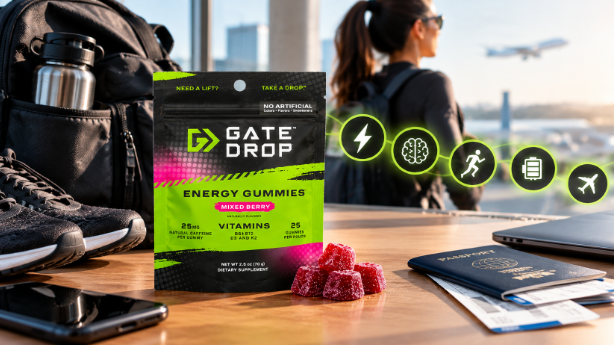
Portable energy products can be useful for people who want a convenient way to support alertness or activity without carrying bulky drinks or mixing powders. A good portable energy supplement should combine clear ingredient information, sensible serving sizes, and a formulation that fits the reason it is being used. For people who prefer a compact chewable format, gummies for energy can be a practical option for busy schedules, travel, or exercise because they are easy to carry and do not require preparation. The best results still come from using supplements alongside consistent sleep, balanced nutrition, proper hydration, and adequate recovery. Convenience can make energy support easier, but long-term energy depends primarily on healthy daily habits.