

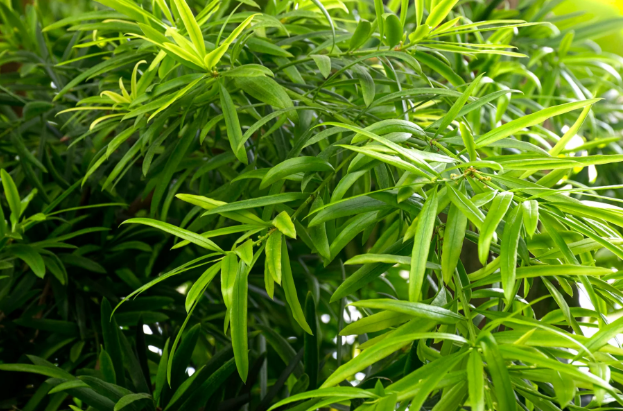
Choosing the right evergreen can influence the privacy, structure, and long-term appearance of an outdoor space. Podocarpus gracilior is valued for its suitability as a screening plant and for its ability to adapt to different landscape settings. Its evergreen character makes it useful when year-round foliage is desired, while its manageable growth pattern can support both formal and natural planting designs. Understanding its growth habits, placement requirements, and maintenance needs can help gardeners decide whether it suits their landscape.
Understanding Its Growth Characteristics
Podocarpus gracilior is an evergreen plant that can develop into a substantial landscape specimen when given appropriate growing conditions. It has a moderate growth rate, with healthy plants capable of adding approximately 12 to 24 inches of growth per year.
Its eventual size makes planning particularly important. Mature specimens can reach significant heights, so homeowners should consider the available space, nearby structures, overhead clearance, and desired screening height before planting. Proper spacing also allows individual plants to develop without unnecessary competition for light and nutrients.
Using It for Privacy and Screening
Evergreen screening is often used to create separation between properties, define outdoor areas, or provide greater privacy around patios and gardens. The vertical growth habit of podocarpus gracilis can make it suitable for these purposes.
Rather than treating a hedge as a simple row of plants, consider how it will interact with the surrounding landscape. A screen can help divide functional areas, soften views of neighboring structures, or create a more enclosed garden atmosphere. Spacing should account for mature dimensions rather than the size of young plants at installation.
Choosing the Right Planting Location
Light exposure is an important consideration when selecting a location. This evergreen can tolerate both full sun and partial shade, giving gardeners flexibility when designing around existing structures and trees.
The planting site should also provide enough room for root and canopy development. Avoid positioning large specimens too close to buildings, narrow walkways, or utility infrastructure. Evaluating the landscape from multiple angles can help determine whether the eventual height and width will complement the property.
Maintenance and Pruning
Regular maintenance can help keep an evergreen screen attractive and appropriately sized. Pruning should be guided by the desired shape and available space rather than excessive cutting. Removing damaged, crossing, or unwanted growth can help maintain a cleaner structure.
Because the plant has a moderate growth rate, gardeners can generally approach shaping gradually instead of relying on frequent heavy pruning. This is especially useful when developing a formal privacy screen where consistent height and density are important.
Poolside and Warm-Climate Landscaping
Landscape plants positioned near swimming pools need to tolerate reflected heat while avoiding excessive litter. According to the referenced plant information, Podocarpus gracilior can work well around pools because it produces minimal litter, has non-invasive roots, and handles reflected heat effectively in warm climates.
Its evergreen foliage can also provide a visually consistent backdrop around outdoor entertainment areas. However, the planting location should still be evaluated for available sunlight, irrigation access, drainage, and sufficient space for mature growth.
Timing the Planting Process
Planting conditions can influence how quickly an evergreen establishes its root system. Spring and early fall are identified as favorable planting periods because moderate temperatures can support establishment before periods of extreme heat or cold.
Before planting, prepare the location carefully and consider soil conditions, drainage, irrigation, and spacing. Good preparation provides a stronger foundation for long-term growth than attempting to correct unsuitable conditions after the plants are established.
Creating a Balanced Landscape
An effective landscape usually combines plants with different heights, textures, and functions. Tall evergreens can form a structural backdrop, while lower shrubs, flowering plants, and ground covers can add variation closer to ground level.
Podocarpus gracilis can therefore serve as more than a privacy screen. With thoughtful placement, it can contribute vertical structure, year-round greenery, and visual separation while supporting a cohesive outdoor design.
Conclusion
Selecting an evergreen for a landscape requires attention to mature size, sunlight, spacing, maintenance, and the intended function of the planting. For gardeners comparing evergreen screening options, ficus hedge may also be worth considering alongside other plants according to the property’s space, climate, and desired landscape style. Considering these factors before installation can help create a healthier and more visually balanced outdoor environment.