


Coffee lovers often associate caffeine with the traditional coffee experience, but many people prefer to reduce their caffeine intake without giving up the taste, aroma, and ritual of brewing coffee. Decaf coffee beans provide an alternative by undergoing a decaffeination process before roasting. Modern methods are designed to remove most of the caffeine while retaining as many of the bean’s desirable flavor compounds as possible. Understanding how decaffeination works, how much caffeine remains, and what influences flavor can help consumers make more informed choices when selecting coffee.
What Are Decaf Coffee Beans?
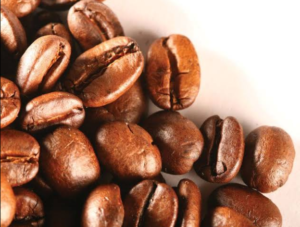
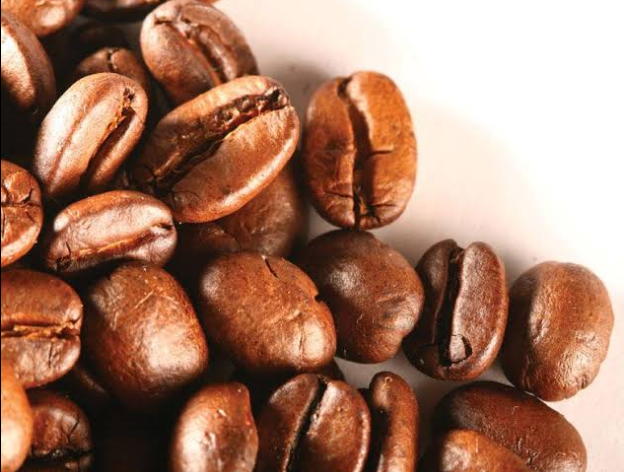
The goal is not to remove every trace of caffeine. USDA specifications for decaffeinated coffee identify a maximum caffeine level of 0.10% on a dry basis for products covered by its standard. Decaf coffee beans are green, unroasted coffee beans that have undergone a process to remove most of their naturally occurring caffeine. Decaffeination takes place before the beans are roasted because caffeine can be extracted more selectively from green coffee. After decaffeination, the beans are dried and subsequently roasted much like conventional coffee. The resulting product can then be ground and brewed using familiar methods such as drip brewing, French press, pour-over, or espresso.
Do Decaf Coffee Beans Still Contain Caffeine?
Yes. Decaffeination substantially reduces caffeine but does not necessarily eliminate it. The amount remaining can vary depending on the original coffee, processing method, serving size, and brewing technique.
Does Decaffeination Change Coffee Flavor?
Decaffeination can influence the flavor characteristics of coffee because caffeine is not the only substance involved in the extraction process. Coffee contains numerous soluble compounds responsible for aroma, acidity, sweetness, body, and other sensory characteristics.
How Should You Choose Decaf Coffee?
The details below can make it easier to compare products based on characteristics that actually influence the drinking experience.
When comparing decaf coffee beans, look beyond the word “decaf” on the packaging. Information about the coffee’s origin, roast level, processing method, and freshness can provide useful context.
Consider the following factors:
- Decaffeination method: Check whether the producer identifies the process used.
- Roast level: Choose according to your preferred acidity, sweetness, body, and roast character.
- Origin: Different growing regions can contribute distinctive flavor characteristics.
- Freshness: Coffee gradually loses aromatic qualities after roasting.
- Brewing method: Grind size, water temperature, extraction time, and coffee-to-water ratio can affect the final cup.
- Caffeine expectations: Remember that decaffeinated coffee can still contain small amounts of caffeine.
Can You Brew Decaf the Same Way as Regular Coffee?
If a cup tastes weak or sour, a finer grind or longer extraction may help increase extraction. If it tastes excessively bitter or dry, reducing extraction may improve balance. Freshly ground beans and consistent water quality can also make the results more predictable.
In many cases, yes, but brewing may require some adjustment. Decaf coffee beans can respond differently during extraction depending on their roast profile and processing history. Rather than assuming one recipe will work for every coffee, brewers can adjust grind size, water temperature, ratio, and brewing time based on taste.
Conclusion
The quality of the final cup depends on much more than caffeine removal alone. Decaffeination method, bean origin, roast profile, freshness, and brewing technique all contribute to the result.
For consumers comparing options such as Starry Night Coffee, examining the listed coffee characteristics and processing information can provide useful context before making a selection.
. The quality of the final cup depends on much more than caffeine removal alone. Ultimately, understanding how caffeine is removed and how the beans are subsequently roasted and brewed makes it easier to identify coffee that aligns with individual taste preferences and caffeine considerations.