

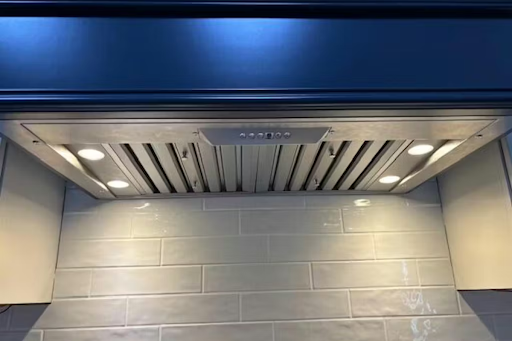
A well-ventilated kitchen is essential for maintaining indoor air quality, reducing grease buildup, and creating a comfortable cooking environment. One of the most practical solutions for achieving this is installing a 30 kitchen hood, especially in modern homes where space efficiency and performance go hand in hand. Positioned directly above your cooktop, a range hood works by removing smoke, odors, heat, and airborne grease, making your kitchen cleaner and safer.
The 30-inch size is considered a standard choice for many households because it aligns perfectly with the most common cooktop dimensions. Whether you are remodeling your kitchen or upgrading your ventilation system, understanding how a 30-inch hood works and what features to look for can help you make an informed decision.
What is a 30 Kitchen Hood?
A 30-inch kitchen hood is a ventilation appliance designed to match the width of a standard 30-inch stove or cooktop. It is widely used in residential kitchens due to its compatibility with typical layouts and cabinet spacing. This size is ideal for apartments, condos, and medium-sized kitchens where space is limited but efficient airflow is still necessary.
These hoods are available in various styles, including wall-mounted, under-cabinet, and insert designs. Each type serves different installation needs while offering similar core functionality—removing contaminants from the air.
Why Proper Kitchen Ventilation Matters
Cooking releases smoke, grease particles, and strong odors into the air. Without proper ventilation, these pollutants can settle on surfaces, damage cabinets, and affect indoor air quality. A range hood helps capture these elements at the source, preventing them from spreading throughout the home.
Range hoods not only improve air quality but also protect kitchen surfaces and enhance overall hygiene. They are essential for maintaining a cleaner and healthier cooking environment.
Types of 30-Inch Range Hoods
Wall-Mounted Hoods
Wall-mounted hoods are installed directly above the cooktop and attached to the wall. They are known for their strong performance because the wall helps direct smoke into the hood efficiently. These are ideal for kitchens where the stove is placed against a wall.
Under-Cabinet Hoods
Under-cabinet hoods are installed beneath kitchen cabinets. They are compact and space-saving, making them a popular choice for smaller kitchens. However, they may have slightly lower airflow capacity compared to wall-mounted options.
Insert or Built-In Hoods
Insert hoods are integrated into custom cabinetry or decorative covers. They offer a seamless look while still providing effective ventilation.
Each type has its advantages, and the choice depends on your kitchen layout, design preferences, and ventilation requirements.
Key Features to Consider
Airflow and Performance
Airflow, often measured in CFM (cubic feet per minute), determines how effectively the hood removes smoke and odors. A higher airflow is beneficial for heavy cooking, especially when using gas stoves.
Intake Efficiency
A well-designed hood captures grease and smoke efficiently, even in compact designs. This ensures that your kitchen remains clean and free from airborne contaminants.
Filtration System
Range hoods typically use mesh or baffle filters. Mesh filters are affordable but require frequent cleaning, while baffle filters are more durable and efficient at trapping grease.
Noise Levels
A quieter hood enhances the cooking experience. Look for models with multiple fan speeds so you can adjust noise and performance as needed.
Lighting
Modern range hoods often include LED lighting, which improves visibility while cooking and adds to the kitchen’s functionality.
Benefits of Choosing a 30-Inch Hood
One of the biggest advantages of a 30-inch hood is its compatibility with standard kitchen setups. It fits perfectly over a 30-inch cooktop, ensuring adequate coverage without overwhelming the space.
Additionally, these hoods are versatile and available in various designs, making them suitable for both traditional and modern kitchens. They also provide a balance between performance and cost, making them a practical choice for homeowners.
Another key benefit is their ability to efficiently remove heat, smoke, and grease at the source. This not only keeps the kitchen clean but also prevents long-term damage to cabinets and walls.
Installation Considerations
When installing a range hood, it is important to ensure proper placement and clearance. Typically, the hood should be installed at an optimal height above the cooktop to maximize efficiency.
Ducted systems, which vent air outside, are generally more effective than ductless options. However, ductless hoods can still be useful in kitchens where external venting is not possible.
It is also important to match the hood size with your cooktop. While a 30-inch hood is sufficient for most setups, some homeowners prefer slightly larger models for enhanced coverage if space allows.
Maintenance Tips
Regular maintenance is essential to keep your range hood functioning efficiently. Filters should be cleaned or replaced periodically to prevent grease buildup. The exterior should also be wiped down regularly to maintain its appearance and hygiene.
Proper maintenance not only improves performance but also extends the lifespan of the appliance.
Conclusion
Choosing the right kitchen ventilation system is crucial for maintaining a clean and comfortable cooking space. A 30 kitchen hood offers an ideal balance of size, efficiency, and versatility, making it a popular choice for many households. When selecting the right option, it is important to evaluate your cooking habits, kitchen layout, and long-term maintenance requirements, especially when comparing it with other ventilation solutions like a kitchen range hood. Ultimately, investing in the right ventilation system ensures better air quality, improved kitchen hygiene, and a more enjoyable cooking experience.