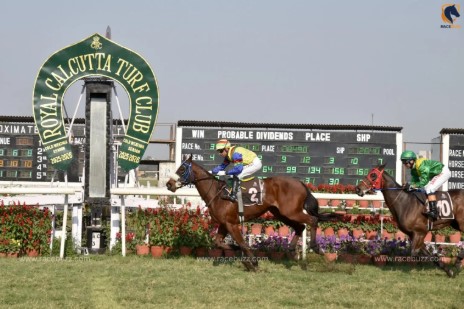




India’s horse racing industry depends on quality breeding, careful horse management, and generations of experience. Among the established names in this field, Poonawalla Stud Farm has built a strong reputation for producing competitive thoroughbreds and contributing to the development of Indian racing. Based in Pune, Maharashtra, the farm has played an important role in shaping bloodlines that have gone on to compete in major races. Its history, breeding expertise, and racing achievements make it a significant name for enthusiasts interested in the horses behind the sport.
The History Behind Poonawalla Stud Farm
The farm began in 1946 when Soli A. Poonawalla established Poona Stud Farm with approximately twelve mares and one stallion, Fitz Clarence. From these modest beginnings, the operation developed into one of India’s recognised thoroughbred breeding establishments.
One of its early successes came when Fitzcall, from the farm’s first crop, won the Indian 2000 Guineas. This achievement helped establish its reputation and demonstrated the potential of its breeding programme. Over the decades, continued investment in bloodlines and horse management strengthened its position within the Indian racing community.
The farm’s history reflects the importance of long-term planning in thoroughbred breeding, where progress depends on generations of horses rather than immediate results.
How Thoroughbred Breeding Supports Racing Performance
Thoroughbred breeding involves selecting horses based on pedigree, physical characteristics, racing records, and their potential to produce competitive offspring. Breeders study the qualities of broodmares and stallions to make informed mating decisions, aiming to develop horses suited to the demands of racing.
At Stud Farm, established bloodlines and carefully selected stallions form an important part of its breeding legacy. However, pedigree alone does not guarantee success on the track. A horse’s development also depends on nutrition, veterinary care, conditioning, temperament, and appropriate training.
Young horses require particular attention as they grow and develop. Proper feeding, routine health monitoring, and suitable exercise help support sound physical development before they progress towards racing careers. This combination of breeding decisions and ongoing care contributes to a thoroughbred’s overall potential.
Major Achievements in Indian Horse Racing
The farm’s record highlights its long-standing contribution to competitive racing. According to its official website, has received 15 Champion Breeders’ Awards from the Turf Authorities of India. Its bred horses have also recorded victories in major Indian races, including the Indian Derby and numerous Classic events.
These accomplishments are significant because Classic races test the quality of horses bred and developed for high-level competition. Repeated success across important events also demonstrates the value of maintaining strong breeding programmes over time.
The farm’s contribution extends beyond individual winners. Successful breeding establishments help strengthen the wider racing ecosystem by supplying horses to owners, trainers, and racecourses across the country.
The Poonawalla Breeders’ Multi-Million
Another important contribution is the Poonawalla Breeders’ Multi-Million, an event created to encourage Indian thoroughbred breeding and racing. The race has helped bring attention to promising young horses and provides a competitive platform for emerging talent.
Events of this kind connect breeding programmes with the wider racing industry. They give breeders an opportunity to showcase their horses while offering owners, trainers, and enthusiasts a chance to follow developing competitors. The event also reinforces the relationship between investment in breeding and the future of Indian horse racing.
Following Breeding News and Racing Updates
Understanding the background of a successful horse can add depth to following its racing career. Pedigree, breeder records, race entries, and previous performances provide useful context when evaluating a runner. It helps racing enthusiasts explore information about Indian horse racing, including race cards, results, schedules, and industry developments. Readers interested in Poonawalla Stud Farm can use this coverage to learn more about its breeding legacy and follow horses competing in major racing events. For the most reliable details on farm history and achievements, official stud farm records remain a useful reference.
Conclusion
Stud Farm represents decades of involvement in Indian thoroughbred breeding, combining established bloodlines with a record of success in major races. Its breeding achievements and support for racing events have helped shape the country’s competitive horse racing landscape. For enthusiasts who want to understand the work behind successful racehorses, exploring the farm’s history offers valuable insight. Follow Racebuzz for racing coverage, results, and updates that help connect breeding heritage with performances on the track.