


Growing fruit-bearing trees requires careful planning, proper site selection, and consistent seasonal maintenance to achieve healthy growth and reliable harvests. Among the most popular orchard species, the peach tree is valued for its fragrant blossoms, attractive foliage, and flavorful fruit. Successful cultivation depends on understanding factors such as soil quality, sunlight exposure, irrigation, pruning, fertilization, and disease management. Modern horticultural practices focus on creating ideal growing conditions that support vigorous root development and maximize fruit production while minimizing pest and disease pressure. Whether planted in a home garden or a larger orchard, a well-maintained peach tree can remain productive for many years when managed according to sound horticultural principles. Peach trees are self-fertile, generally requiring only one tree to produce fruit, provided they receive sufficient sunlight and well-drained soil.
Selecting the Right Planting Location
The long-term performance of a peach tree begins with choosing an appropriate planting site.
An ideal location should provide:
- Full sunlight for at least six to eight hours daily
- Well-drained soil
- Good air circulation
- Protection from strong winds
- Adequate spacing for canopy growth
Avoid planting in low-lying areas where cold air and excess moisture may accumulate, as these conditions can increase disease risks and reduce fruit production.
Soil Preparation and Planting
Healthy root development depends on proper soil preparation before planting.
Recommended practices include:
- Loosening compacted soil
- Improving drainage where necessary
- Maintaining a slightly acidic to neutral soil pH
- Digging a planting hole wider than the root system
- Positioning the graft union above soil level
These practices encourage faster root establishment and improve overall tree stability.
Water Management
Consistent irrigation is essential, particularly during the establishment period.
A peach tree benefits from:
- Deep weekly watering
- Moist but not waterlogged soil
- Reduced watering during dormancy
- Increased irrigation during prolonged dry periods
Deep watering encourages roots to grow downward, making the tree more resilient during periods of drought.
Nutrient Management
Balanced fertilization supports healthy vegetative growth and fruit production.
Important nutrients include:
- Nitrogen
- Phosphorus
- Potassium
- Calcium
- Magnesium
Fertilizer applications should be based on soil conditions and tree maturity. Excessive nitrogen should be avoided because it can stimulate excessive leaf growth while reducing fruit quality.
Pruning for Structural Development
Proper pruning improves both tree health and fruit production.
Annual pruning helps to:
- Increase sunlight penetration
- Improve air circulation
- Remove damaged branches
- Encourage new fruiting wood
- Maintain manageable tree size
An open-center canopy is commonly recommended because it allows even light distribution throughout the tree. Regular pruning also reduces disease pressure by improving airflow.
Pest and Disease Management
Several pests and diseases can affect peach production if left unmanaged.
Common concerns include:
- Peach leaf curl
- Aphids
- Spider mites
- Powdery mildew
- Bacterial diseases
- Borers
Routine inspections allow early detection, making treatment more effective while reducing long-term damage to the orchard. Maintaining proper sanitation and removing infected plant material further supports tree health.
Seasonal Maintenance
Seasonal care helps maintain consistent productivity throughout the year.
Recommended maintenance tasks include:
- Spring fertilization
- Summer irrigation
- Seasonal pruning
- Mulching around the root zone
- Monitoring fruit development
- Preparing trees for dormancy
A properly maintained peach tree responds well to seasonal management and typically produces healthier foliage and higher-quality fruit.
Harvest Management
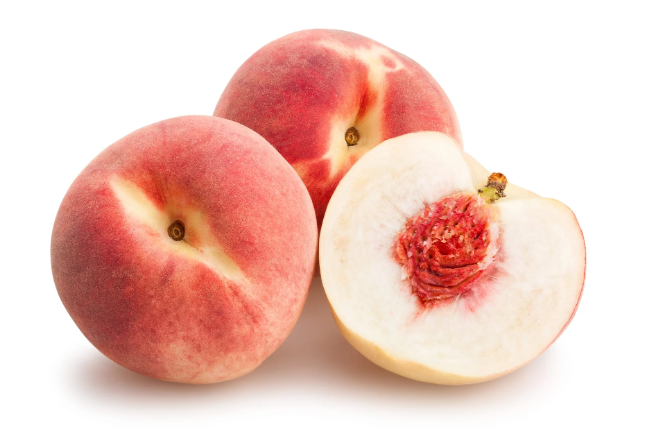
Fruit quality depends on harvesting at the correct stage of maturity.
Indicators of ripeness include:
- Full color development
- Slight softness near the stem
- Characteristic aroma
- Easy separation from the branch
Harvesting fruit at peak maturity improves flavor, texture, and storage quality while minimizing damage during handling.
Conclusion
Successful peach cultivation combines proper site selection, balanced nutrition, regular pruning, effective irrigation, and proactive pest management. Understanding these horticultural practices helps gardeners establish productive orchards while improving both tree health and fruit quality over the long term. For gardeners planning an orchard, a fruit tree should always be selected according to local climate conditions, soil characteristics, and long-term maintenance requirements. With consistent care, a peach tree can provide years of healthy growth, attractive seasonal blossoms, and dependable fruit production for home gardens and commercial landscapes alike.