



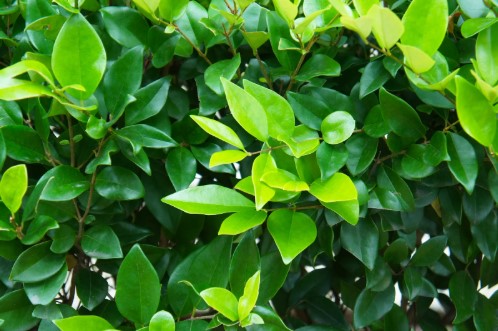
In landscaping and garden design, the wax leaf privet has earned a reputation as one of the most reliable and attractive evergreen shrubs. With its glossy foliage, fragrant spring flowers, and remarkable resilience, this versatile plant suits a wide range of outdoor spaces from formal hedges to relaxed garden borders. Understanding how to use wax leaf privet effectively can transform your landscape into a lush, structured, and vibrant environment.
What Is Wax Leaf Privet?
Wax leaf privet, botanically known as Ligustrum japonicum ‘Texanum’, is a broadleaf evergreen shrub prized for its dense, dark green, waxy leaves and year‑round greenery. Native to East Asia, this shrub thrives in USDA hardiness zones 7 through 11 and displays small creamy‑white flowers in spring, followed by black berries that attract birds. Its naturally compact form makes it ideal for hedges, screens, or as a standalone specimen in many garden styles.
Landscaping Uses and Garden Styles
Elegant Hedges and Privacy Screens
Wax leaf privet is ideal for hedges, forming dense, evergreen screens that enhance privacy and define spaces. Its glossy foliage adds year-round interest, and its tolerance to pruning allows for clean lines or formal shapes in structured garden designs.
Foundation Plantings and Borders
With a tidy growth habit reaching 8–10 feet tall, wax leaf privet works well around foundations, patios, and mixed borders. It frames entryways, softens architectural lines, and contrasts beautifully with perennials, providing evergreen structure and lasting visual appeal.
Informal and Natural Garden Styles
In informal or cottage gardens, wax leaf privet can grow freely as a relaxed backdrop. Adaptable to sun or partial shade, it pairs well with shrubs, groundcovers, and perennials, adding texture and defining garden areas without intensive maintenance.
Planting and Care Tips
Site Selection and Planting
Choose a spot with well‑drained soil and sun or partial shade for best results. While wax leaf privet tolerates a range of soil types, good drainage helps prevent root issues. When planting multiple shrubs to form a hedge or screen, space them about 3 to 6 feet apart so they fill in quickly and evenly. Planting in spring or fall gives them time to establish before extreme seasonal conditions.
Watering and Mulching
Newly planted privet needs consistent watering to develop a strong root system. After establishment, it becomes moderately drought-tolerant and usually requires only supplemental water during prolonged dry periods. Applying a 3–4-inch layer of mulch around the base conserves moisture, maintains a uniform soil temperature, and improves soil health over time.
Pruning and Maintenance
One of the wax leaf privet’s strengths is its responsiveness to pruning. For formal hedges, prune after flowering to maintain shape and encourage dense growth. You can trim it lightly throughout the growing season to keep lines clean or more heavily once every few years to rejuvenate older areas. Avoid heavy pruning during bloom to preserve flowers and their fragrance.
Design Considerations for Garden Impact
Seasonal Flower Interest
While primarily valued for its evergreen foliage, wax leaf privet also produces clusters of small white flowers in spring and early summer. These blooms add a subtle seasonal accent and attract beneficial pollinators to your garden. The resulting berries, appreciated by birds, contribute another layer of interest in late season.
Texture and Contrast
The smooth, glossy leaves of wax leaf privet work well with a range of textures from soft ornamental grasses to bold perennials and compact groundcovers. Incorporating contrasting leaf shapes and colors around the shrub creates depth and visual intrigue, amplifying your garden’s overall appeal.
Conclusion
Styling your garden with wax leaf privet shrubs offers a powerful combination of structure, greenery, and seasonal interest that enhances virtually any landscape design. Their adaptability, resilience, and ease of care make them suitable for hedges, screens, borders, and focal areas. With thoughtful planting, pruning, and complementary plantings, these shrubs can elevate both formal and informal gardens alike. Whether you aim for an evergreen definition or a dynamic planting scheme, integrating wax leaf privet into your design lays the foundation for enduring beauty and privacy. While also exploring additional options, such as the fastest-growing trees, for broader landscape layering and shade.