

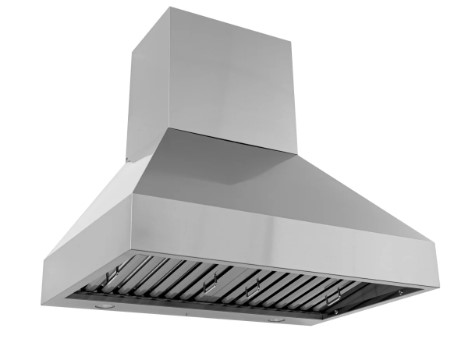
Choosing the right ventilation system is one of the most overlooked decisions in kitchen design, yet it directly affects air quality, cooking comfort, and long-term maintenance. Among the various sizing options available, a 42-inch kitchen hood has become a popular choice for larger cooking setups, offering wider coverage without requiring a full commercial-grade installation. Understanding how hood size correlates with cooktop width, kitchen layout, and ventilation needs can help homeowners make a more informed decision before purchasing.
Understanding Range Hood Sizing Standards
Range hoods are generally sized to extend a few inches beyond the width of the cooktop on either side. This overhang helps capture smoke, grease particles, and steam that might otherwise escape the direct cooking zone. For a standard 36-inch cooktop, a 42-inch kitchen hood provides the recommended three-inch buffer on each side, which is considered ideal for effective containment. Kitchens with wider cooking ranges or additional burners often benefit from this larger sizing, since it reduces the chances of airborne particles drifting into the surrounding kitchen space.
Airflow and CFM Considerations
Size alone doesn’t determine performance; airflow capacity, measured in cubic feet per minute (CFM), plays an equally important role. A larger hood body doesn’t automatically mean stronger suction; the internal blower and duct configuration determine how efficiently air is pulled and expelled. When evaluating a 42-inch kitchen hood, it’s worth checking the CFM rating relative to the kitchen’s square footage and the BTU output of the cooking appliances. Higher-output stoves, especially those with multiple high-BTU burners, typically require CFM ratings above 600 to maintain effective ventilation.
Comparing Hood Sizes for Different Kitchen Layouts
Kitchen size and cooktop width should guide the hood selection process. A 42-inch kitchen hood is generally recommended for cooktops in the 36- to 40-inch range, while smaller kitchens with more compact cooking surfaces may be better suited to a narrower option. Comparing exact dimensions against the actual cooktop and countertop space helps avoid oversized or undersized installations that can affect both aesthetics and function.
Installation and Duct Requirements
Proper ductwork is essential regardless of hood size. Straight, short duct runs improve airflow efficiency, while excessive bends or long distances can reduce a hood’s effective performance by a significant margin. Before installing a 42-inch kitchen hood, it’s important to verify that the existing duct pathway can accommodate the increased airflow volume. In some cases, upgrading duct diameter or adjusting the vent path may be necessary to achieve optimal results.
Material and Maintenance Factors
Stainless steel remains the most common material for range hoods due to its durability and resistance to grease buildup. Regardless of size, regular filter cleaning, typically every four to six weeks for baffle filters, helps maintain airflow efficiency and reduces fire risk from grease accumulation. Removable, dishwasher-safe filters tend to require less manual scrubbing over time, which can be a practical consideration for busy households.
Noise Levels and Comfort
Sound output is another practical factor often overlooked during selection. Larger hoods with high-capacity blowers can generate more noise, typically measured in sones, especially at higher fan speeds. Many manufacturers now offer multi-speed settings, allowing lower noise operation during light cooking and higher extraction power when needed for heavy searing or frying. Checking the sone rating alongside CFM output gives a more complete picture of daily usability, since a powerful but excessively loud unit can become a source of frustration in open-concept kitchens where the cooking area connects directly to living or dining spaces.
Conclusion
Selecting the right hood size ultimately comes down to matching ventilation capacity with cooktop width and kitchen usage patterns. Kitchens with standard 30 to 33-inch cooking ranges often perform just as well with a 36-inch kitchen hood, provided the CFM rating and duct configuration are appropriate for the space. Taking measurements before purchasing, along with understanding airflow requirements, ensures the chosen hood delivers effective, long-term ventilation performance.