

Accidents in construction environments are often severe due to height, heavy materials, and unsafe surfaces. Among these, a roofing accident is one of the most dangerous types of workplace incidents, frequently resulting in long-term physical and financial consequences for the injured person. These accidents typically involve falls, equipment failure, or unsafe working conditions that can lead to multiple types of injuries requiring extensive medical care and recovery time.
Understanding how these incidents occur and what legal options may exist is important for anyone exposed to roofing-related risks or similar occupational hazards.
What is a Roofing Accident?
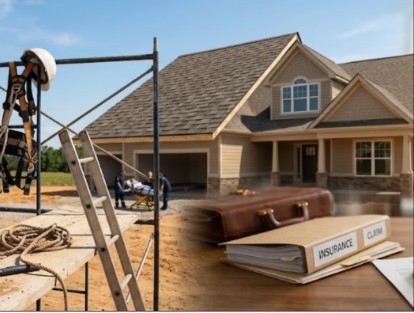
A roofing accident refers to any injury that occurs while working on, repairing, or installing a roof. These incidents are most commonly associated with falls from height, but they can also involve collapsing structures, slipping on unstable surfaces, or being struck by falling tools or materials.
Industry research shows that falls remain the leading cause of serious injuries in roofing work, often resulting in fractures, spinal damage, or traumatic brain injuries. In many cases, inadequate safety measures such as missing guardrails, lack of harnesses, or poor training contribute significantly to these incidents.
Common Causes of Roofing Accidents
Roofing work involves multiple hazards that increase the risk of injury. Some of the most common causes include:
- Lack of fall protection systems such as harnesses or scaffolding
- Slippery or uneven roof surfaces due to weather conditions
- Improper use or failure of ladders and safety equipment
- Poor site supervision or inadequate training
- Structural weakness in roofing materials
Falls from ladders or rooftops are particularly dangerous because the impact can affect multiple areas of the body at once. Even a relatively short fall can result in severe injuries depending on the landing surface and angle of impact.
Types of Injuries in Roofing Accidents
The injuries resulting from roofing accidents can vary widely in severity. Some of the most common include:
Head and Spinal Injuries
Traumatic brain injuries and spinal cord damage are among the most serious outcomes. These injuries can lead to long-term disability or permanent impairment.
Bone Fractures and Joint Damage
Broken bones, including arms, legs, and ribs, are frequently reported. In some cases, joint injuries may also limit mobility permanently.
Soft Tissue and Internal Injuries
Muscle tears, ligament damage, and internal organ injuries may not always be immediately visible but can have lasting effects on health.
Lower Limb Injuries
Falls often impact the lower body first, leading to knee, ankle, or leg injuries. These injuries can require surgery and extended rehabilitation periods.
In situations involving long-term mobility issues, recovery may require specialized medical support and rehabilitation planning.
Liability and Legal Considerations
Determining responsibility after a roofing accident depends on the circumstances of the incident. Employers, contractors, or site managers may be held responsible if safety regulations were not followed or if proper protective equipment was not provided.
Workers’ compensation systems often cover medical expenses and partial income loss, but additional legal claims may arise in cases of negligence or unsafe working conditions. Proper documentation, including medical records and accident reports, is essential in evaluating potential claims.
Broader Impact of Roofing Injuries
Beyond immediate physical harm, roofing accidents can lead to financial strain due to medical costs, loss of income, and long recovery periods. Emotional stress and reduced quality of life are also common outcomes, especially in cases involving permanent disability.
In some cases, injuries affecting mobility or joint function, such as knee damage, may require long-term rehabilitation. This is where a knee injury lawyer can become relevant in understanding the legal pathways available for compensation related to mobility-related injuries.
Prevention and Safety Measures
Preventing roofing accidents requires strict adherence to safety protocols, including:
- Proper use of fall protection equipment
- Regular safety training for workers
- Inspection of tools and equipment before use
- Weather condition assessments before starting work
- Clear communication and supervision on job sites
Safety compliance significantly reduces the risk of accidents and helps create a more controlled working environment.
Conclusion
Roofing work is inherently high-risk, and accidents in this field often result in serious physical injuries and long-term consequences. A roofing accident can lead to anything from minor injuries to life-altering conditions depending on the severity of the fall or impact. In cases involving long-term physical impairment, including mobility issues, consulting a knee injury lawyer within broader personal injury evaluation can help clarify legal rights and potential compensation options for affected individuals. Understanding the causes, injury types, and safety measures is essential for reducing risks and improving workplace safety standards.