


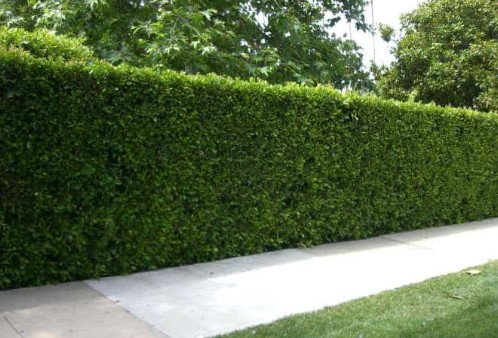
Maintaining an attractive hedge or privacy screen requires more than occasional trimming. Proper timing, clean cutting techniques, and long-term shaping strategies all influence how well your plants recover and grow throughout the year. In the middle of most landscape maintenance plans, wax leaf privet remains a popular choice because of its dense foliage, fast recovery after pruning, and ability to hold structured forms. Learning how to prune correctly helps homeowners preserve natural beauty, avoid stress-related damage, and encourage stronger growth patterns that keep shrubs looking full, healthy, and visually balanced across every season.
Understand the Natural Growth Pattern Before Pruning
Before making your first cut, it is important to understand how the plant grows and where new shoots develop. Most shaping mistakes happen when homeowners trim without considering how future growth will fill in. With wax leaf privet, new shoots typically emerge just below the cut, which makes controlled shaping easier when cuts are placed deliberately rather than randomly.
Observing growth direction also allows you to preserve the plant’s natural form while guiding it into a neat hedge or accent shrub. By studying branch structure first, you reduce the risk of uneven regrowth and allow the plant to maintain a balanced silhouette after pruning.
Choose the Right Time of Year for Healthier Results
Timing plays a major role in how well shrubs recover from pruning. Light maintenance trimming can be performed during the growing season, but major structural pruning should be planned carefully. For wax leaf privet, late winter or early spring is generally ideal for heavier cuts because new growth begins soon after, helping wounds close quickly.
During active growth, small touch-ups help manage shape without slowing development. Avoid aggressive pruning during extreme heat or drought periods, as this can increase moisture stress and slow recovery. Well-timed pruning allows the plant to direct energy toward healthy foliage instead of repairing excessive damage.
Use Proper Cutting Techniques for Clean Regrowth
Sharp, sanitized tools are essential for clean cuts and disease prevention. Dull blades crush stems rather than slicing them, leaving torn tissue that heals slowly. When working with wax leaf privet, always cut just above outward-facing buds to guide growth away from the center of the shrub.
Maintaining an open interior improves airflow and reduces moisture buildup, which lowers the risk of fungal issues. Thinning selected branches rather than only shearing the surface helps sunlight reach inner foliage, keeping the plant vigorous and evenly filled from top to bottom.
Shape Gradually Instead of Over-Trimming
One of the most common mistakes in hedge maintenance is removing too much growth at once. Gradual shaping allows the plant to adjust and prevents sudden exposure of older, woody branches. With wax leaf privet, steady shaping over multiple sessions produces a fuller and more refined appearance than a single heavy trim.
When forming hedges, slightly tapering the sides inward at the top ensures that sunlight reaches lower branches. This technique helps maintain dense foliage along the entire height of the plant rather than allowing the base to thin over time.
Encourage Strong Growth Through Light, Consistent Maintenance
Regular light pruning keeps plants compact and encourages consistent branching. Instead of waiting for excessive growth, short maintenance sessions allow you to guide form and control size naturally. A well-maintained wax leaf privet responds positively to this approach by producing tighter, more uniform growth.
Consistent trimming also reduces the need for drastic corrective pruning later. By managing size early, you protect the plant’s structure and reduce stress associated with heavy cutting.
Conclusion
Consistent timing, clean cutting techniques, and gradual shaping allow your shrubs to stay dense, balanced, and resilient while enhancing the overall structure of your landscape. When paired with complementary plantings such as fastest-growing trees, properly maintained hedges and shrubs create layered visual interest and long-term privacy while supporting a healthier, more cohesive outdoor environment.