


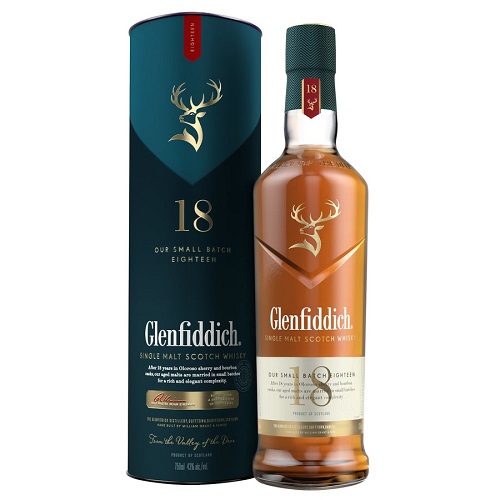
Among aged single malt Scotch whiskies, Glenfiddich 18 stands out for its balance of maturity, consistency, and restrained craftsmanship. Unlike large-scale releases designed for volume, this expression reflects a deliberate production philosophy centered on limited batch sizes and careful wood selection. Its identity as a Small Batch Reserve is rooted not in marketing language but in the disciplined choices that shape its flavor, texture, and long-term character.
The Meaning of Small Batch in Single Malt Whisky
Small batch production in Scotch whisky refers to the practice of marrying a limited number of casks to achieve a precise flavor profile. Rather than blending hundreds of barrels to smooth variation, distillers work with fewer casks, each selected for complementary characteristics. This approach requires greater oversight and a deeper understanding of how individual casks mature over time.
In the case of Glenfiddich, small batch does not imply rarity alone. It reflects intentional restraint in production, where consistency is achieved through expertise rather than scale. Each batch is monitored closely to ensure it meets the distillery’s established sensory standards.
Cask Selection and Maturation Influence
A defining factor behind the Small Batch Reserve classification is the use of carefully matured casks. This expression draws from a combination of Oloroso sherry and American oak barrels, each contributing distinct qualities. Sherry casks add richness, dried fruit notes, and gentle spice, while American oak provides structure, sweetness, and warmth.
Casks are selected at peak maturity rather than bottled strictly by age. This ensures a balance between oak influence and spirit character. The limited number of casks in each batch allows master blenders to maintain a consistent profile while preserving subtle variations that reflect natural aging.
Controlled Marrying for Flavor Harmony
After individual casks are chosen, they are married together for a defined period. This resting phase allows flavors to integrate fully, smoothing edges and creating a cohesive profile. The marrying process is essential to the Small Batch Reserve concept, as it bridges the gap between single cask individuality and large-scale blending.
For Glenfiddich 18, this controlled marrying ensures depth without overpowering complexity. The result is a whisky that delivers layered flavors while remaining approachable. Notes of baked apple, dried fruit, toasted oak, and soft spice unfold gradually, reflecting careful balance rather than aggressive intensity.
Consistency Without Mass Production
One of the challenges of small-batch whisky is maintaining consistency across releases. This is achieved through experience rather than volume. By limiting batch size, distillers can adjust cask combinations with precision, compensating for natural variation in wood and climate.
This attention to detail is evident in the texture and finish of the whisky. Each release delivers a familiar structure while retaining the nuances that come from natural maturation. This balance reinforces its reputation as a refined and dependable aged single malt.
Distillery Heritage and Production Discipline
The distillery’s long-standing commitment to traditional methods further supports the Small Batch Reserve identity. From fermentation to distillation, production remains focused on preserving fruit-driven character. Copper still design, cut points, and maturation practices all contribute to the final expression.
Within the broader portfolio, Glenfiddich 18 occupies a position that emphasizes craftsmanship over experimentation. It reflects a mature interpretation of house style, refined through time rather than innovation for novelty’s sake.
Why the Small Batch Approach Matters to Collectors and Enthusiasts
For whisky enthusiasts, small batch production signals intentionality. It suggests that each release has been curated rather than simply scaled. This appeals to collectors who value authenticity and to drinkers seeking depth without unpredictability.
Glenfiddich 18 earns its Small Batch Reserve designation through disciplined cask selection, controlled marrying, and consistent sensory oversight rather than limited availability alone.
Conclusion
Small batch reserve expressions occupy a distinct space in the whisky world, balancing tradition, control, and depth of flavor. They reflect decisions made over decades, not shortcuts or trends. While every distillery interprets this philosophy differently, understanding these production choices allows enthusiasts to appreciate aged whiskies in a broader context. Comparisons with other respected names, such as Rock Hill Farms, further highlight how craftsmanship and restraint define premium spirits across categories.


