

Every year, Australian businesses generate large volumes of bulky waste, from plastic offcuts and timber pallets to old tyres and scrap metal. Handling that material in its original size is costly and inefficient, which is why size reduction has become a core step in waste processing. An industrial shredder is a machine built to cut, tear, or crush tough materials into smaller, more manageable pieces. This blog explains how these machines work, the main types available, where they are used, and what to consider before choosing one.
How Shredding Machines Work
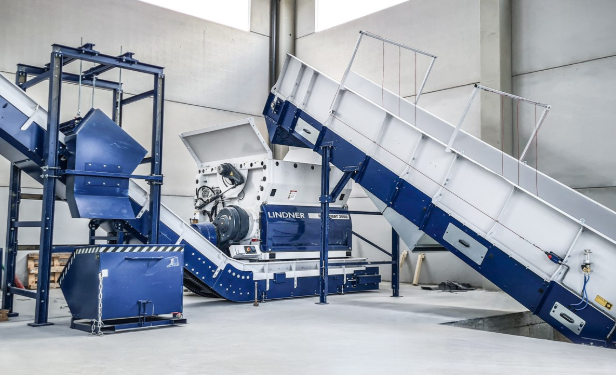
Most shredding machines rely on rotating shafts fitted with hardened cutting tools. Material enters through a hopper, is gripped by the cutters, and is torn or sheared as the shafts turn. A screen or sizing mechanism then controls the final particle size, and oversized pieces are returned to the cutting chamber until they pass through. Power comes from electric or hydraulic drive systems, and the torque delivered determines how well a machine copes with dense or tough items.
Common Types of Shredders
Shredders are generally grouped by the number of shafts they use. Single-shaft models use one rotor and a fixed counter knife, and they are often chosen when consistent, uniform output is needed. Dual-shaft models use two slow-turning, high-torque shafts and handle bulky or mixed materials well. Four-shaft machines add a secondary shredding stage for finer, more even output. Granulators sit further down the line, reducing shredded material into small, uniform pieces, often for plastics. The right choice depends on what goes in and what output is required.
Materials Suitable for Shredding
An industrial shredder can be configured for a wide range of materials, though no single machine suits everything. Common feedstocks include plastics, timber and pallets, paper and cardboard, rubber and tyres, textiles, light metals and electronic waste. Each behaves differently: plastics can soften if heat builds up, fibrous materials can wrap around shafts, and metals demand stronger cutters and robust frames. Knowing a material’s hardness, moisture and contamination levels helps determine the right cutter design and drive power.
Industries and Applications
Shredding supports many sectors. Manufacturers shred production offcuts and rejects so material can be reused or sold. Waste operators shred commercial waste to reduce volume before transport. Timber processors turn pallets and offcuts into chips, and document destruction relies on shredding to protect confidential information. Smaller material packs more tightly, which cuts transport trips and handling time. Size reduction also prepares material for sorting, which improves the quality of recovered resources. Recycling solutions therefore often begin with shredding, followed by separation and reprocessing.
Environmental and Operational Benefits
Diverting waste from landfill is a priority across Australia, and state and territory governments apply landfill levies that make disposal more expensive. Shredding helps by turning bulky waste into material that can be recovered and reprocessed. Operational benefits include lower storage needs, fewer truck movements, easier sorting and more consistent material for downstream processes.
Key Factors When Selecting a Machine
Selecting an industrial shredder starts with a clear understanding of the job. Consider the type and volume of material, the hourly throughput needed and the target output size. Feed method matters too, since some sites load by excavator or forklift while others use conveyors. Check motor power, cutter material and how easily screens and knives can be accessed for maintenance. Safety features such as emergency stops, guarding and overload protection are essential, as is compliance with Australian workplace safety requirements.
Maintenance and Safe Operation
Regular maintenance keeps a shredder reliable. Operators should inspect cutters for wear, check hydraulic and lubrication systems, clear build-up from the cutting chamber and follow lockout procedures before any servicing.
Conclusion
Shredding is a practical step that helps businesses handle bulky waste, recover useful material and meet environmental expectations. Understanding machine types, materials and operating requirements leads to better decisions and safer operation. Organisations such as OGTEC offer shredding equipment to Australian operators, and careful planning before purchase ensures a machine matches real site needs.