
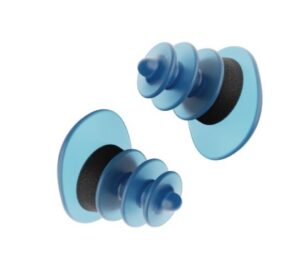


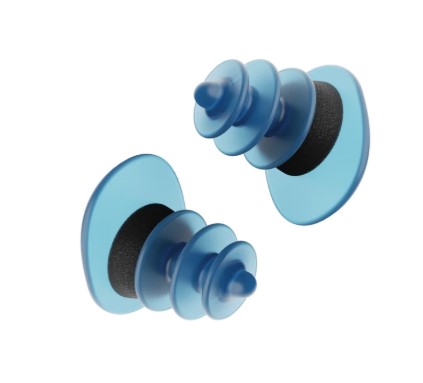
Unwanted sound is one of the most common environmental factors that can interfere with nighttime rest. Traffic, conversations, household activity, construction, and a snoring partner can make it harder to fall asleep or cause repeated awakenings. While earplugs cannot create complete silence, they can reduce the intensity of surrounding sounds and make a sleeping environment more comfortable. For people looking for noise-cancelling earplugs, understanding how they work and what to consider when choosing them can help set realistic expectations. Unlike electronic noise-cancelling headphones, conventional earplugs rely primarily on physical sound attenuation, using materials and fit to reduce the amount of sound reaching the ear.
How Do Noise-Cancelling Earplugs Work?
Foam, silicone, wax, and specialized polymers can reduce incoming sound when they form an appropriate seal. The effectiveness depends heavily on how well the earplug fits the individual ear. Even a material with strong attenuation properties may perform poorly if the plug is incorrectly positioned or does not seal the canal effectively.
Most non-noise-cancelling earplugs used for sleeping are passive devices. Instead of generating an opposing sound wave like active noise-cancelling electronics, they create a physical barrier between the outside environment and the ear canal.
This distinction is important because the term “noise cancelling” can suggest complete elimination of sound. In reality, passive earplugs reduce noise rather than making an environment completely silent.
Why Does Noise Reduction Matter During Sleep?
Sleep involves repeated transitions between different stages, and unexpected environmental noise can disturb rest. Sudden sounds may cause brief arousals even when a person does not fully wake up. Reducing unnecessary background noise can therefore make the sleeping environment more consistent.
The goal of noise-cancelling earplugs is not necessarily to eliminate every sound. Instead, they can lower the volume of disruptive noises such as traffic, conversations, or snoring. This can be particularly useful for people who are sensitive to intermittent sounds or who sleep in environments where controlling the external noise source is difficult.
A suitable pair should provide enough attenuation to reduce disturbances while remaining comfortable for extended wear.
What Types of Earplugs Are Available?
The choice of earplugs can influence comfort, fit, durability, and noise-cancelling performance. Foam earplugs are commonly used because they can expand inside the ear canal and create a seal. Silicone options can be molded around the entrance of the ear, while some reusable designs use materials that adapt to the ear’s contours.
How Should You Choose Earplugs for Sleeping?
Comfort should be one of the first considerations when selecting earplugs for nighttime use. A product that reduces sound effectively but causes pressure, pain, or irritation may be difficult to wear consistently.
Size and shape also matter. People who sleep on their sides may prefer low-profile designs that do not protrude significantly from the ear. Reusable models can be useful for regular users, while disposable foam products may be convenient when hygiene and replacement are priorities.
Noise-cancelling earplugs can provide another useful comparison point. However, rating systems and real-world performance do not necessarily represent exactly how much quieter a particular bedroom will feel. Correct insertion and fit remain important factors in achieving the expected level of attenuation.
Conclusion
A quieter bedroom can make it easier to maintain a comfortable sleep environment, particularly when unpredictable sounds cannot be eliminated. Properly fitted earplugs reduce incoming noise through physical attenuation, while material, shape, size, and comfort influence their practical performance. People comparing better sleep earplugs should consider fit, hygiene, intended use, and realistic noise-reduction expectations rather than focusing only on maximum attenuation. Used correctly, earplugs can be a practical tool for managing everyday nighttime disturbances without requiring complete silence.