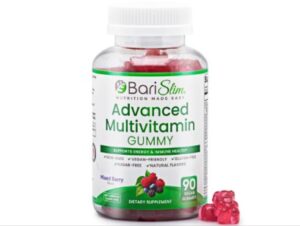



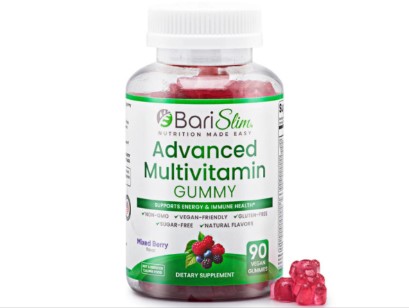
Bariatric surgery changes how much food a person can consume and, depending on the procedure, can also affect how nutrients are absorbed. Because meals become smaller, obtaining sufficient vitamins and minerals from food alone can become difficult. Thus, long-term supplementation like a chewable bariatric multivitamin can be an important part of postoperative nutritional care. The form of a supplement can also matter, particularly during the early recovery period when swallowing large tablets may be uncomfortable or difficult.
Why Supplementation Matters After Bariatric Surgery
Weight-loss procedures can increase the risk of deficiencies involving nutrients such as iron, vitamin B12, folate, calcium, vitamin D, and thiamine. The degree of risk varies according to the procedure. Gastric bypass and procedures involving greater changes to nutrient absorption generally require closer nutritional monitoring than procedures that primarily restrict stomach capacity.
The American Society for Metabolic and Bariatric Surgery recommends ongoing vitamin and mineral supplementation after weight-loss surgery and emphasizes that supplementation needs to be tailored to the procedure and individual nutritional status.
Why Chewable Forms Can Be Useful
A chewable bariatric multivitamin can be easier to take during periods when conventional tablets are difficult to tolerate. After surgery, patients may experience temporary changes in appetite, digestion, and tolerance for different food textures. Chewable supplements can provide an alternative to swallowing a large pill.
Earlier bariatric guidelines specifically recommended chewable forms during the initial postoperative period for certain procedures, while emphasizing that supplementation should follow the patient’s surgical and nutritional plan.
However, chewability alone does not determine whether a supplement is appropriate. The nutrient amounts, ingredient forms, iron content, and compatibility with an individual’s medical requirements are equally important.
Nutrients to Consider
A bariatric multivitamin generally needs to provide more than the amounts found in an ordinary daily multivitamin. Iron is particularly important because reduced intake and altered absorption can contribute to deficiency. ASMBS guidance notes that iron requirements differ according to surgical procedure and individual risk factors.
Vitamin B12 also deserves attention because absorption can be affected following certain operations. Other nutrients commonly monitored include folate, thiamine, vitamin D, calcium, and vitamins A, E, and K.
Calcium deserves separate consideration because it should generally be taken in appropriate divided doses and separated from iron when advised by a healthcare professional. This helps reduce potential interference with absorption.
Reading a Supplement Label Carefully
Before selecting a chewable bariatric multivitamin, patients should compare the supplement facts panel with the recommendations provided by their bariatric team. Important details include the amount of elemental iron, vitamin B12, folate, vitamin D, thiamine, and other micronutrients.
It is also useful to check serving size. Some supplements require several chews each day, while others provide their intended nutrient amounts in fewer servings. Understanding the actual daily dose prevents accidental under- or over-supplementation.
Patients should avoid assuming that two products are interchangeable simply because both are marketed for bariatric nutrition. Nutrient concentrations and formulations can differ substantially.
Combining Vitamins With a Protein-Focused Diet
Supplements are only one part of postoperative nutrition. Bariatric patients also need adequate fluids and protein while gradually progressing through the dietary stages recommended by their healthcare team. ASMBS patient guidance commonly identifies protein as an important priority after surgery, with individual targets determined by the patient’s care team. Convenient protein-rich foods and snacks can help patients meet their nutritional goals when tolerated. For some people, protein bars, specifically bariatric ones, may provide a practical option between meals, but the nutritional profile, portion size, sugar content, and protein amount should be considered before adding them regularly.
Monitoring Makes Supplementation More Effective
Taking supplements consistently does not eliminate the need for laboratory monitoring. Blood tests can identify deficiencies or excessive levels and allow clinicians to adjust supplementation when necessary. Follow-up schedules depend on the surgery, medical history, symptoms, and clinical recommendations.
Symptoms such as persistent fatigue, weakness, numbness, unusual bruising, or changes in hair and nails should not automatically be attributed to normal recovery. They may have multiple causes, including nutritional deficiencies, and should be discussed with a healthcare professional.
Conclusion
Choosing the right supplement after bariatric surgery requires more than selecting a product that is easy to chew. Nutrient composition, surgical procedure, dosage, tolerance, laboratory results, and individual medical needs all influence what is appropriate. A consistent routine can make supplementation easier to maintain, but recommendations should come from the bariatric care team rather than from product labels alone.
For patients building a practical postoperative nutrition routine, bariatric protein bars can complement other protein sources when they fit the individual’s dietary stage and nutritional goals. Ultimately, a chewable bariatric multivitamin should be viewed as one component of long-term nutritional care, alongside balanced food choices, adequate protein and hydration, regular monitoring, and professional follow-up.