

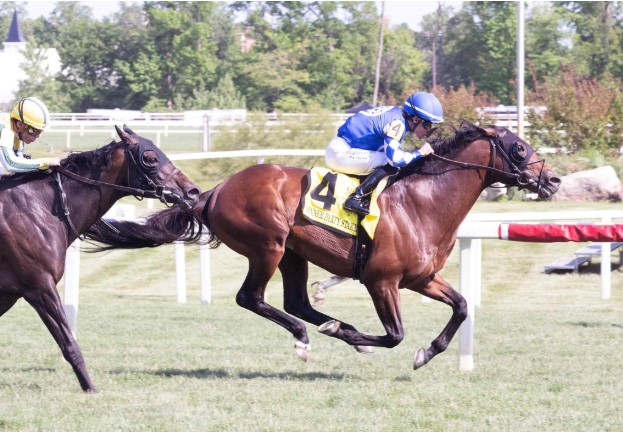
Mysore has a long racing tradition and remains one of India’s recognised horse racing centres. The city’s racing culture combines history, seasonal race meetings, racecards, jockeys, trainers, handicaps, and competitive finishes that attract regular followers. Anyone exploring Horse Race Mysore should understand the racecourse, racing seasons, basic race terms, and how to follow results responsibly.
Mysore Racecourse History
Mysore Race Course is located in Mysore, Karnataka, and has been associated with organised racing since the late nineteenth century. The racecourse was started in 1891 by Chamaraja Wadiyar, the then king of Mysore. This long history makes the venue an important part of South Indian horse racing.
The Mysore Race Club operates from Race Course Road in Mysore and provides race-related information such as race replays and official updates. The racecourse track is listed as 2,000 metres long and 30 metres wide, with a 500-metre straight. These dimensions influence race tactics, pace, and finishing runs.
Racing Seasons in Mysore
Horse racing in Mysore is organised around seasonal meetings. The Mysore Derby season generally runs from November to February and again from May to July. These periods give followers structured opportunities to track horses, form, race conditions, and feature events.
Race days often include multiple races, each with different distances, classes, and eligibility conditions. The Mysore Race Club has posted race cards with seven races on a race day, including feature events such as trophy races. Following seasonal schedules helps fans understand when important events and competitive fields are likely to appear.
Reading a Racecard
A racecard is one of the most useful tools for understanding a race meeting. It usually includes horse names, race numbers, distances, jockeys, trainers, weights, ratings, ownership details, and sometimes recent performance. New followers should learn to read these details before making opinions about a race.
For Horse Race Mysore, racecards can help identify which horses are moving up or down in class, carrying higher or lower weights, or returning after a break. Jockey and trainer combinations also matter because consistent partnerships can influence performance. Distance suitability is another important factor, as some horses perform better in sprints while others improve over longer trips.
Key Racing Terms
Understanding racing vocabulary makes the sport easier to follow. A “handicap” is a race where horses carry different weights to balance competition. A “maiden” is a horse that has not yet won a race. A “favourite” is the horse expected by the market to perform strongly.
Other common terms include “going,” which describes track condition, and “draw,” which refers to the starting stall position. “Form” means a horse’s recent race record. These terms are regularly used in Indian horse racing coverage, race previews, and result discussions.
Factors That Affect Performance
Horse racing results are shaped by many variables. Fitness, distance, weight, jockey strategy, trainer preparation, track condition, pace, and race position all affect performance. A horse with strong past form may still struggle if the distance, track, or race pace does not suit it.
In Horse Race Mysore, the 500-metre straight can give finishing horses time to build momentum, but early positioning still matters. Some horses prefer racing near the front, while others run better when held up for a late challenge. Watching replays can help followers understand these patterns beyond the final result.
Following Results and Replays
Race results show finishing positions, margins, winning time, jockey, trainer, and sometimes race analysis. Replays provide deeper insight because they show how the race unfolded, whether a horse was blocked, started slowly, travelled strongly, or finished late.
The Mysore Race Club provides race replay access for followers who want to review past races. Broader Indian racing portals also publish live results, racecards, calendars, and updates across racing centres. Using official or established sources helps followers avoid incomplete or unreliable information.
Mysore and Other Racing Centres
Indian horse racing includes several major centres, including Mysore, Bengaluru, Mumbai, Pune, Hyderabad, Kolkata, and Delhi. Each centre has its own racing calendar, track characteristics, and local racing community. Comparing results across centres can help followers understand horse movement and competition strength.
Hyderabad Race Club is another recognised racing venue in India. Recent coverage of Hyderabad Winter Races 2026 highlighted a seven-race card and detailed winners, distances, trainers, and jockeys from the meeting. This shows how structured race reporting helps followers track performance across venues.
Conclusion
Mysore horse racing offers a mix of history, seasonal competition, race analysis, and form study for both new and experienced followers. For those comparing Indian racing centres, Hyderabad race updates can also provide useful context alongside regular Horse Race Mysore coverage. Understanding racecards, track details, jockey-trainer combinations, and replays can make the sport easier to follow.