



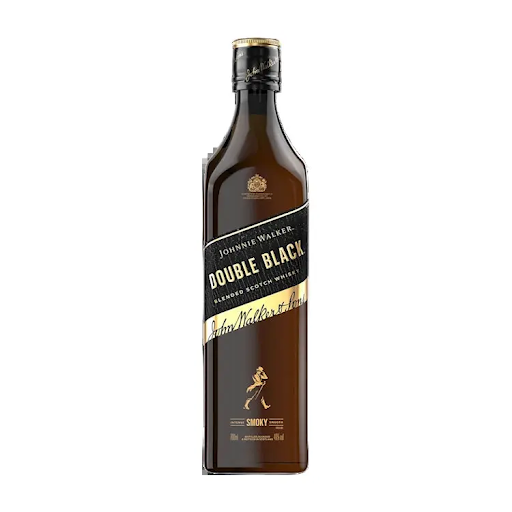
Among premium Scotch whiskies, smoky flavor is one of the most distinctive characteristics appreciated by enthusiasts. Within the Johnnie Walker range, Johnnie Walker Double Black Label Blended Scotch Whisky is widely known for delivering the smokiest and most intense profile among the brand’s core expressions. The double black label stands apart due to its deep peat smoke, rich oak influence, and bold complexity that appeals to drinkers who prefer stronger whisky flavors. Understanding why double black label is considered the smokiest blend requires exploring its production approach, blending philosophy, and the types of whiskies used in its composition.
The Origins of Double Black Label
The double black label was introduced by the whisky maker Johnnie Walker as a more intense and smoky evolution of the classic Johnnie Walker Black Label Blended Scotch Whisky. While the original Black Label is known for its balanced and smooth flavor profile, double black label was designed to emphasize deeper smoke and bolder character.
The blend was inspired by the stronger flavors traditionally found in Scotch whiskies enjoyed in travel retail markets, particularly those preferred by drinkers who appreciate peated whiskies. By increasing the proportion of smoky malt whiskies and aging them in heavily charred oak casks, the distillers created a whisky that pushes the boundaries of the original Black Label profile.
Influence of Peated Malt Whiskies
One of the primary reasons double black label tastes smokier is the higher proportion of peated malt whisky used in the blend. Peat is a type of organic soil used as fuel during the drying process of malted barley. When barley is dried over burning peat, the smoke infuses the grain with phenolic compounds that later translate into smoky flavors in the final whisky.
Many of the smoky characteristics in double black label come from malts sourced from the Islay region of Scotland, which is famous for producing heavily peated whiskies. These malts contribute intense aromas of campfire smoke, sea salt, and medicinal peat, giving the double black label its signature smoky depth.
Heavily Charred Oak Casks
Another factor that intensifies the smokiness of double black label is its maturation process. The whisky is matured in deeply charred oak casks, which add layers of flavor beyond traditional barrel aging. When oak barrels are heavily charred, the inner surface of the wood caramelizes and produces smoky, toasted compounds.
These charred casks contribute flavors such as toasted wood, caramelized sugar, and subtle charcoal notes. When combined with peated malts, the result is a whisky that feels richer, darker, and smokier than standard blends.
This approach enhances the bold character of double black label while still maintaining the smoothness expected from a premium blended Scotch.
A Richer and Bolder Flavor Profile
The double black label is not just smokier—it is also richer and fuller in body compared to many other blends. Tasting notes typically include peat smoke, dried fruit, vanilla, spice, and dark oak. The smokiness is immediately noticeable on the nose, often described as reminiscent of bonfire smoke or charred wood.
On the palate, the whisky reveals layers of sweetness balanced by smoke. Notes of raisins, orange zest, and vanilla often appear alongside the signature peat influence. The finish is long and warming, with lingering smoke and spice that make the experience memorable for whisky enthusiasts.
Because of this combination of smoke, sweetness, and spice, double black label is often recommended for drinkers who enjoy peated Scotch but still want the smooth character of a blended whisky.
How Double Black Label Differs from Black Label
The key difference between the classic Black Label and double black label lies in intensity. While Black Label is aged for at least 12 years and designed to be balanced and approachable, double black label focuses on amplifying darker flavors.
The increased presence of smoky malts, the use of charred barrels, and a slightly richer blending style give double black label a deeper character. For many whisky drinkers, it serves as a bridge between traditional blended Scotch and heavily peated single malts.
Best Ways to Enjoy Double Black Label
Because of its bold profile, double black label can be enjoyed in several ways. Many enthusiasts prefer drinking it neat to fully appreciate the smoky complexity. Adding a small amount of water can also help open up hidden flavors within the whisky.
It also works well over ice or in smoky whisky cocktails, where its intense character can stand up to other ingredients without losing its identity.
Conclusion
The reputation of double black label as the smokiest blend in the Johnnie Walker range comes from a carefully crafted combination of peated malt whiskies, charred oak cask maturation, and a blending style designed to emphasize depth and intensity. These factors create a whisky that delivers powerful smoky notes while maintaining the smooth balance expected from a premium Scotch blend. At R&V Drinks, we believe that great whisky should be both flavorful and approachable. As a brand passionate about premium spirits, we love sharing iconic whiskies like double black label with enthusiasts who appreciate bold character and refined craftsmanship. Whether you are exploring smoky Scotch for the first time or expanding your whisky collection, our team at R&V Drinks is committed to helping you discover exceptional drinking experiences.