


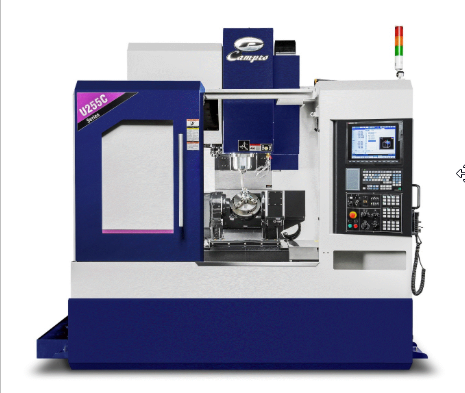
Modern manufacturing continues to evolve at an incredible pace, driven by precision engineering and high-performance automation. Many companies are now turning to a 5-axis vertical machining center to enhance productivity, improve accuracy, and expand production capabilities. Unlike traditional three-axis machines, these advanced systems allow simultaneous movement along multiple axes, making them essential for industries that depend on complex geometries and exceptional machining efficiency. Understanding how these machines function—and what makes them technologically superior—helps manufacturers make informed decisions about investments that impact long-term performance and product quality.
What Makes a 5-Axis Vertical Machining Center Unique?
A 5-axis system stands out for its combination of flexibility, precision, and operational speed that traditional CNC machines cannot match. By moving the tool or the workpiece along five coordinated axes, manufacturers can produce intricate shapes with fewer setups and tighter tolerances.
The Core Axes and Motion Capabilities
At the heart of any 5-axis vertical machining center are the five crucial axes: X, Y, and Z (the linear axes), along with two rotational axes, typically labeled A and B. The integration of these rotational axes allows the cutting tool to approach the workpiece from multiple angles. This capability drastically reduces manual repositioning, supports uninterrupted machining paths, and improves output consistency. Advanced servo motors, ball screws, and encoder systems ensure smooth movement and ultra-precise positioning throughout each operation.
Spindle Technology and Cutting Performance
The spindle is one of the most critical components of the machine. In high-quality 5-axis systems, spindles often feature high RPM ranges, thermal stabilization, and automatic tool-change systems. These features allow operators to switch between tools quickly while maintaining optimal cutting conditions. Cooling mechanisms—such as air blast, oil-mist, or through-spindle coolant—play a vital role in reducing heat buildup, preventing premature tool wear, and ensuring consistent cutting performance across various materials, including aluminum, steel, titanium, and composites.
Workholding, Fixturing, and Table Design
Workholding defines how securely and accurately a part is positioned during machining. A 5-axis vertical machining center typically includes rotary tables, trunnion systems, or tilting tables that allow full access to the workpiece. These features make it possible to machine all sides of a part in a single setup, reducing cycle times and improving overall efficiency. Precision fixturing also ensures repeatability, which is essential for high-volume production and aerospace, medical, and automotive applications.
CAM Software and Digital Integration
Advanced CAM (Computer-Aided Manufacturing) software is a fundamental component of the 5-axis machining ecosystem. CAM solutions generate optimized toolpaths, simulate operations, and prevent tool collisions before machining begins. Real-time monitoring systems provide data on tool condition, spindle load, temperature, and machine performance. Modern machines can integrate with IoT platforms, allowing manufacturers to analyze production data, schedule maintenance proactively, and improve overall equipment effectiveness.
Accuracy Enhancements and Compensation Systems
One of the standout benefits of a 5-axis system is its exceptional accuracy. Many machines include built-in error compensation features, such as volumetric error correction, backlash reduction, and thermal compensation. Linear scales and direct-drive motors help maintain exceptional positional accuracy even during long machining cycles. These technological enhancements are crucial for industries that require exact tolerances and defect-free components.
Tooling Innovations and Machining Strategies
5-axis machining requires specialized tooling for optimal results. Cutting tools designed for multi-directional engagement, high-speed machining, and complex geometries are commonly used. Strategies like simultaneous 5-axis machining, swarf cutting, and contouring allow for smoother surface finishes, shorter cycle times, and reduced tool wear. The ability to tilt the tool enhances chip evacuation and reduces spindle stress, further boosting machining efficiency.
Conclusion
From aerospace components to medical implants and automotive parts, these machines support advanced manufacturing demands with ease. By combining rotational motion, high-speed spindles, intelligent software, and unparalleled accuracy, they enable manufacturers to complete complex operations in fewer steps and with greater reliability. As machining technology continues to advance, businesses relying on these systems gain a competitive edge through improved part quality, reduced manual labor, and streamlined workflows. Ultimately, a high-performance vertical machining center serves as a cornerstone for companies committed to innovation, accuracy, and long-term productivity.


