


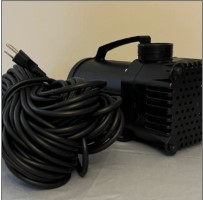
Selecting the right 120v pond pump is one of the most important decisions when designing or upgrading a water feature such as a pond, fountain, or waterfall. A 120v pond pump provides the necessary circulation and flow to keep water moving, support aquatic life, and create stunning visual effects. With options ranging from small 1/3‑HP units to larger 3/4‑HP pumps, choosing the right model means considering your pond’s size, the desired water movement, and long‑term performance needs. This guide will help you make an informed choice.
Understand Your Water Feature Needs
Before selecting a pump, determine how you want your water feature to perform. Simply moving water isn’t enough; a pump must deliver the right volume and lift to match your design. The performance of a pond pump is typically measured in gallons per hour (GPH) and depends on the size of your pond or fountain and the height to which you want water to travel, known as the head height. As a rule of thumb, your pump should circulate the entire volume of your pond at least once per hour to prevent stagnation and support a healthy environment. These design considerations help ensure the water feature functions efficiently and looks its best.
Horsepower and Flow Rates
Choosing the right motor size is essential for effective pond circulation. 120 V pond pumps typically come in 1/3 HP, 1/2 HP, and 3/4 HP models, each suited to different pond sizes and water features. A 1/3 HP pump delivers around 4000 GPH, ideal for small ponds or modest fountains. The 1/2 HP model provides about 5300 GPH for mid‑size features, while a 3/4 HP pump exceeds 6600 GPH, handling larger ponds or waterfalls. Correct horsepower ensures balanced water flow; too little reduces movement, while too much can create excess disturbance.
Head Height and Tubing Considerations
Head height, the vertical distance water travels from the pump to the feature’s top, directly affects flow. As height increases, pressure drops, reducing effective output. Each 120 V pond pump includes performance curves showing flow at different head heights, helping you select the right model. Tubing size also matters; narrower tubes increase friction, making the pump work harder and reducing efficiency. Match the outlet size with the tubing to maintain optimal flow. Considering both head height and tubing ensures your pump delivers consistent water circulation for a healthy, visually appealing water feature.
Submersible vs External Pumps
Most residential 120 V pond pumps are submersible, sitting directly in the water for easy installation and quiet operation. Submersible pumps include long cords for flexible placement and require GFCI‑protected outlets for safety. Regular cleaning of the intake and impeller prevents clogs and ensures continuous performance. External pumps, though less common for small-to-medium features, provide higher pressure and easier maintenance since they remain accessible without draining the pond. However, they usually require more complex installation, weatherproofing, and careful placement to maintain safety and efficient operation.
Safety and Installation Tips
Always install your 120 V pond pump according to manufacturer guidelines. Position the pump properly within the pond, ideally slightly elevated from the bottom to avoid suctioning settled debris. Use a GFCI outlet to protect against electrical hazards, especially since these pumps operate in wet environments. Follow recommended head-height limits and wiring practices to ensure safety and performance.
Conclusion
Choosing the right 120v pond pump requires evaluating your water feature’s size, desired water movement, head height, and flow requirements. Start by calculating pond volume and identifying the type of water display you want, whether it’s a gentle fountain or a dramatic waterfall. Match the flow rate and horsepower to those needs, ensure proper tubing and installation, and consider maintenance and energy efficiency for long‑term operation. Pairing your pump with a supportive water fountain base ensures stability and enhances overall performance. With proper maintenance, your water feature will stay clean, lively, and visually appealing.


