
What Is a NEMA Type 3 Enclosure?
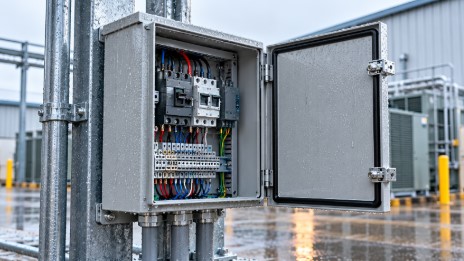
Electrical equipment installed outdoors must withstand environmental conditions that can affect performance, safety, and service life. Rain, windblown dust, sleet, and external ice formation can all create challenges for electrical systems. A NEMA type 3 enclosure is designed to protect enclosed equipment against specified outdoor environmental hazards, making it a common consideration for utility installations, industrial facilities, and infrastructure projects.
These enclosures can house electrical controls, junction points, wiring components, and other equipment that needs protection from the weather. Their effectiveness depends on selecting the correct enclosure for the application and installing it according to the manufacturer’s instructions.
Understanding the enclosure’s intended protection, construction, and limitations helps engineers and facility managers make informed decisions.
How Does Type 3 Protection Work?
Type 3 enclosures are designed for indoor or outdoor use and provide protection against access to hazardous parts, falling dirt, windblown dust, rain, sleet, and snow. They are also designed to prevent damage from external ice formation on the enclosure.
This combination of features makes a NEMA type 3 enclosure useful in locations where equipment is exposed to typical outdoor weather conditions. For example, it may be considered for electrical installations around industrial buildings, outdoor equipment areas, and certain utility applications.
However, Type 3 protection should not be interpreted as universal resistance to every environmental hazard. It does not automatically establish suitability for high-pressure washdowns, corrosive chemicals, submersion, or every potentially hazardous atmosphere. More demanding environments may require another enclosure type.
Common Applications for Type 3 Enclosures
Outdoor Electrical Distribution
Outdoor electrical distribution systems often include equipment that must remain protected while still allowing authorized technicians to inspect and maintain it. A suitable enclosure can shield internal components from weather-related exposure and help keep the installation organized.
The cabinet’s size, mounting arrangement, and access provisions should correspond to the equipment being housed and the surrounding installation.
Industrial Control Systems
Industrial facilities may use outdoor control panels to operate pumps, motors, lighting systems, and other equipment. In suitable conditions, a NEMA type 3 enclosure can help protect control components against rain and windblown dust.
Designers should consider operating temperature, internal heat generation, cable-entry points, and the location of the enclosure. Environmental protection alone does not guarantee that internal components will remain within their required operating temperature range.
Infrastructure and Utility Installations
Transportation facilities, service areas, and utility sites may contain electrical equipment that must operate through changing weather conditions. Enclosures with appropriate outdoor protection can help reduce exposure to common environmental contaminants.
The exact requirements depend on the location. Coastal areas, industrial zones, and places with frequent chemical exposure may present additional corrosion risks that need separate evaluation.
Materials and Construction Features
The enclosure’s construction influences its durability, weight, corrosion resistance, and suitability for long-term outdoor use.
Painted steel provides a rigid structure and is widely used for industrial cabinets. Its protective finish should be maintained, especially where scratches or coating damage could expose the underlying metal.
Stainless steel may be suitable when corrosion resistance is an important consideration. The appropriate grade depends on the contaminants and exposure conditions.
Aluminum offers a lighter-weight alternative for certain installations, although mechanical strength and environmental compatibility must be assessed.
When evaluating a NEMA type 3 enclosure, inspect its door design, hinges, latches, gaskets, mounting provisions, and cable-entry arrangements. Openings introduced during installation must be handled correctly so they do not undermine the enclosure’s intended protective performance.
Understanding Enclosure Classifications
Different enclosure types address different combinations of environmental hazards. Comparing NEMA ratings helps clarify which protection is appropriate for a particular location.
For instance, Type 3 is intended for specified outdoor weather conditions. Type 3R also provides outdoor protection against rain, sleet, and external ice formation, but its protection against windblown dust differs from Type 3. Other types may address additional hazards, including corrosion or hose-directed water.
These classifications should not be treated as a simple ranking in which a higher number always means better protection. Each type has defined characteristics, so selection should be based on the actual environment, equipment needs, and applicable requirements.
How to Select the Right Enclosure
Start by identifying the equipment’s dimensions, electrical requirements, and maintenance needs. Allow enough internal space for wiring, component clearances, and potential future modifications.
Next, assess the installation site. Consider exposure to rain, windblown dust, snow, temperature changes, corrosive substances, and mechanical impact. Confirm that the selected enclosure is appropriate for all relevant conditions.
Also review mounting requirements, access restrictions, and cable-entry locations. Outdoor cabinets may need secure anchoring and a position that allows safe servicing without obstructing nearby equipment or walkways.
Finally, verify the manufacturer’s specifications and any applicable electrical codes or site standards. A qualified electrical professional can help confirm that the enclosure and installation method meet the project’s requirements.
Conclusion
A NEMA type 3 enclosure can provide dependable protection for electrical equipment exposed to specified outdoor conditions, including rain, windblown dust, sleet, and snow. The right choice depends on environmental exposure, construction materials, equipment dimensions, and installation details. By comparing the relevant NEMA ratings and reviewing the manufacturer’s documentation, facility managers and engineers can choose an enclosure that aligns with operational requirements. Careful selection, correct installation, and routine inspection all contribute to maintaining effective protection over time.