


Proper surface preparation is one of the most important, and often underestimated, steps in the tire repair process. Before a patch or plug can bond effectively, the damaged rubber area must be cleaned and textured correctly, which is where tire repair buffing tools for technicians play a central role. The quality of this buffing step directly influences how well a repair holds up under road conditions, making tool selection and technique just as important as the repair material itself.
Why Surface Preparation Matters in Tire Repair
A tire repair is only as strong as the bond between the patch and the rubber surface beneath it. If the buffed area is uneven, too smooth, or contaminated with debris, the adhesive used in the repair will not form a consistent bond, increasing the risk of failure down the line. This is why buffing is treated as a critical preparatory step rather than a cosmetic one.
Traditional Abrasive Buffing vs. Structured Cutting Tools
For decades, abrasive buffing wheels were the standard tool in tire repair shops. These wheels use grit that gradually wears away as it removes rubber, which can generate significant heat and smoke during use. Excessive heat is a real concern in this process, since it can scorch the rubber surface and compromise the integrity of the area being repaired. Inconsistent finishes are another common issue with abrasive wheels, as the grit wears unevenly over time, leading to dips, gouges, or an uneven texture across the buffed area.
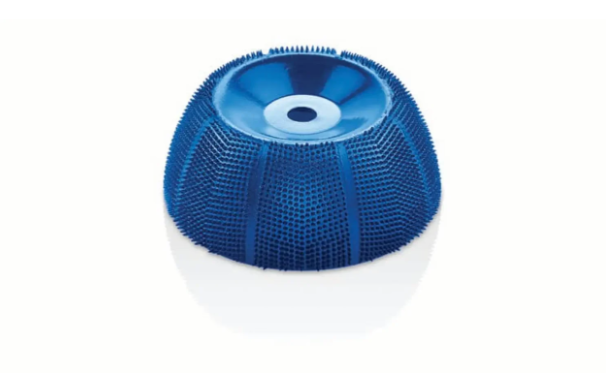
Structured cutting tools take a different mechanical approach. Instead of relying on grit that fractures away, these tools use individually formed cutting teeth, often made from tungsten carbide, that are permanently bonded to a steel core. This is why more shops are shifting toward tire repair buffing tools for technicians that offer sharper, more predictable cuts without the heat buildup and inconsistency associated with traditional wheels.
Key Features Technicians Should Look For
When evaluating buffing tools, a few characteristics consistently separate reliable options from lower-performing ones. Tool life is one major factor, since tools that wear down quickly increase both material costs and the frequency of tool changes during a workday. Heat generation is another important consideration, as cooler cutting action reduces the risk of scorch damage to the rubber and helps preserve the integrity of the repair area.
Wheel shape also plays a meaningful role in repair quality. Tools designed with a contoured or flared profile are built to match the natural curvature of a tire, which helps maintain a larger contact area during buffing. This reduces the likelihood of dips and gouging that can occur when a tool’s shape does not align well with the tire’s surface, particularly in curved or hard-to-reach injury areas.
Applications Across Tire Types
Tire repair buffing tools are used across a wide range of applications, from passenger vehicle tires to commercial truck, agricultural, and off-the-road tire repairs. Each of these categories presents different rubber thicknesses and repair conditions, so tire repair buffing tools for technicians with excellent control and consistent cutting performance become especially valuable in higher-demand commercial and industrial settings where repair failures carry greater consequences.
Building Better Repair Outcomes
Ultimately, the quality of a tire repair comes down to a combination of proper technique, suitable materials, and dependable tooling. Technicians who prioritize controlled, consistent buffing tend to see stronger patch adhesion and fewer repeat failures, which translates into better customer trust and more efficient shop operations over time.
Conclusion
Selecting the right tire repair buffing tools is a foundational decision that affects the strength and longevity of every repair performed in a shop. Tools that offer cooler cutting, consistent texture, and shapes suited to a tire’s natural contour tend to outperform basic abrasive alternatives in both durability and repair quality. For technicians looking to fine-tune surface preparation on tighter or more detailed injury areas, a tire buffing rasp is often used as a complementary hand tool to refine texture and reach spots that larger buffing wheels may not access as precisely.