

Cashless payments have become increasingly common, but cash remains relevant for many customers and businesses. Installing an ATM can give shoppers convenient access to cash without requiring them to leave a retail location. However, selecting retail ATMs involves more than comparing purchase prices. Businesses need to consider location, security, accessibility, connectivity, cash capacity, maintenance, and transaction processing before choosing equipment.
An ATM is also a long-term operational investment. The machine needs to remain available when customers need it, while the business must have a practical process for cash replenishment, technical support, and security management. Understanding the main factors involved can help retailers make a better-informed decision.
What Are Retail ATMs?
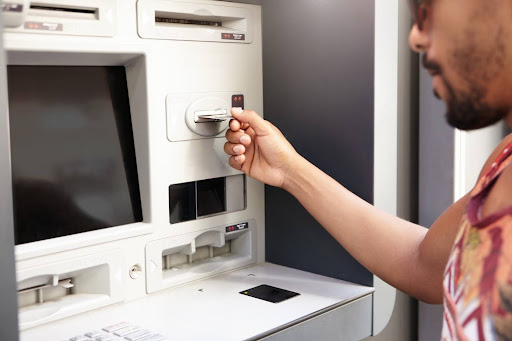
Retail ATMs are automated teller machines installed in commercial locations such as stores, convenience businesses, restaurants, hotels, entertainment venues, and other customer-facing establishments. Their primary purpose is to provide convenient access to cash, although the exact services available depend on the machine, processor, network, and operating arrangement.
For a retailer, the value of an ATM depends largely on customer demand. A location with frequent cash-dependent transactions may benefit more than a business where customers almost exclusively use cards or mobile payments.
Before purchasing equipment, businesses should therefore consider how frequently customers are likely to use an ATM and where the machine could be positioned without interfering with normal operations.
1. Choose the Location Carefully
Location can influence both convenience and transaction activity. An ATM should be easy for customers to find while remaining positioned in an area where its use does not obstruct entrances, aisles, checkout areas, or emergency routes.
Businesses should evaluate:
- Customer traffic patterns
- Visibility
- Available floor space
- Lighting
- Electrical access
- Network connectivity
- Physical security
- Customer privacy
- Accessibility
The machine should also have enough surrounding space for customers to approach and operate it comfortably. Placement should not create barriers for people using mobility devices.
The Americans with Disabilities Act requires businesses open to the public to provide people with disabilities equal access to their goods and services, while accessibility standards address physical access to facilities.
2. Examine ATM Security Features
Security should be a central consideration when choosing an ATM. Because ATMs handle payment-card transactions and PIN entry, the equipment needs appropriate protection against tampering, unauthorized access, and card-data theft.
Businesses should investigate features such as:
- Anti-skimming protection
- Secure PIN-entry technology
- Tamper detection
- Protected card readers
- Secure cabinet construction
- Encrypted communications
- Restricted service access
The Payment Card Industry Security Standards Council’s ATM guidance addresses areas including physical security, software protection, device management, and safeguards against attacks involving skimming and PIN capture.
Security should not stop with the hardware. The business should also establish procedures for inspecting the machine, controlling access, reporting suspicious activity, and keeping the equipment in good operating condition.
3. Check Processing Compatibility
An ATM requires more than electricity and a physical connection. It must communicate with the appropriate transaction-processing network to authorize and complete withdrawals.
Before buying equipment, confirm compatibility with the intended processor and transaction network. Ask about supported card technologies, communications methods, software requirements, and available updates.
This is especially important when considering older or previously used machines. A machine may appear functional but still lack the hardware, software, or security capabilities required for a current deployment.
Getting compatibility confirmation before purchase can prevent costly changes after installation.
4. Consider Cash Capacity
Cash capacity affects how often a machine needs to be replenished. A location with relatively low transaction activity may require less cash storage, while a busy business may need greater capacity to reduce the likelihood of the ATM becoming empty.
Businesses should estimate expected transaction volume based on location, customer demographics, operating hours, seasonal demand, and existing cash usage.
Cash management also involves balancing availability against security. Keeping excessive amounts of cash inside a machine can increase exposure, while insufficient cash can lead to service interruptions.
The objective is to establish a replenishment schedule that reflects actual usage rather than relying on assumptions.
5. Review Accessibility Requirements
Accessibility should be addressed during both equipment selection and installation.
The Department of Justice states that businesses open to the public must provide equal access to people with disabilities and comply with applicable physical accessibility requirements.
For ATMs specifically, accessibility considerations can include the position and usability of controls, instructions, surrounding clear space, and access routes. Businesses should review the current requirements applicable to their location rather than relying solely on generic equipment descriptions.
The surrounding environment matters as much as the machine itself. Merchandise, furniture, displays, or other objects should not block the route to the ATM.
6. Evaluate Connectivity
Reliable connectivity is essential because the ATM must communicate with its processing network during transactions.
Depending on the equipment and service arrangement, connectivity may involve wired internet or cellular communication. Businesses should verify which method is supported and determine whether reliable service is available at the intended installation location.
Network security should also be considered. If an ATM connects through a business network, appropriate technical controls should be established according to the organization’s security requirements and the processor’s recommendations.
A connection that frequently fails can make an otherwise reliable ATM unavailable to customers.
7. Calculate Total Ownership Costs
The purchase price does not represent the complete cost of operating an ATM.
Businesses should consider expenses associated with:
- Equipment purchase
- Installation
- Cash replenishment
- Transaction processing
- Connectivity
- Maintenance
- Repairs
- Software support
- Security upgrades
- Replacement components
Warranty terms should also be reviewed carefully. Determine what is covered, how technical support is provided, and whether replacement parts remain available for the expected operating period.
When comparing retail ATMs, businesses should therefore calculate anticipated operating costs alongside the initial investment.
New or Used Equipment?
Businesses may encounter both new and used ATM equipment during their research. Used equipment can sometimes reduce initial costs, but its age and technical condition need careful evaluation.
Important questions include whether the machine supports current payment technologies, whether security components are up to date, whether replacement parts are available, and whether the equipment can work with the intended processing arrangement.
A lower purchase price is not necessarily an advantage if substantial upgrades or repairs are required before deployment.
What Should Businesses Ask Before Buying?
Before selecting an ATM, business owners should request clear information about the complete operating arrangement.
Useful questions include:
- Which processing networks are supported?
- What security features are included?
- What card technologies are supported?
- What is the cash cassette capacity?
- What connectivity options are available?
- What accessibility specifications apply?
- What warranty is provided?
- Who handles repairs?
- How quickly is technical support available?
- What are the ongoing processing and service costs?
Written specifications can make comparisons easier and reduce misunderstandings during installation.
Conclusion
Retail ATMs can provide convenient cash access in businesses where customers have a genuine need for withdrawals. However, selecting the right equipment requires attention to more than purchase price. Location, security, processing compatibility, cash capacity, accessibility, connectivity, maintenance, and long-term operating expenses all contribute to the machine’s usefulness. Businesses researching ATM cash machines for sale should compare complete specifications, installation requirements, support arrangements, and ownership costs before making a purchase. A carefully selected ATM can fit naturally into a retail environment while providing customers with a useful financial service.