

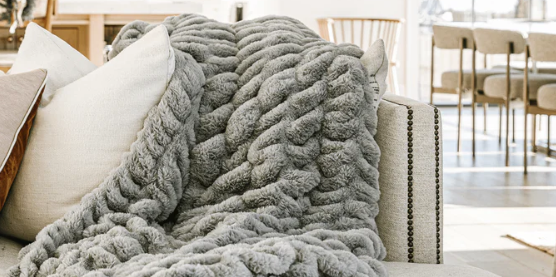
Heavy blankets, often referred to as weighted blankets, have become increasingly popular in recent years for their potential to improve sleep quality and reduce anxiety. These blankets are designed to provide deep pressure stimulation, a form of gentle, distributed weight that mimics the sensation of being hugged or held. While heavy blankets are not a cure-all, research suggests they can offer meaningful benefits for many people struggling with sleep disturbances and anxiety.
What Are Heavy Blankets and How Do They Work?
A heavy blanket is typically filled with glass beads, plastic pellets, or other materials that add weight evenly across the blanket. The added weight creates deep pressure stimulation (DPS), which is believed to activate the parasympathetic nervous system. This system is responsible for the body’s “rest and digest” response, which can help reduce stress and promote relaxation.
The concept of DPS is not new. Occupational therapists have used weighted products for decades to help individuals with sensory processing issues, particularly those with autism spectrum disorder or attention deficit hyperactivity disorder (ADHD). The principle is that the added pressure helps regulate the nervous system, promoting calmness and focus. For adults, this same principle can translate into better sleep and reduced anxiety.
The Science Behind Heavy Blankets and Sleep
Sleep is a complex biological process influenced by numerous factors, including stress levels, environmental conditions, and physical comfort. One key element in falling asleep is the body’s ability to transition into a state of relaxation. This is where heavy blankets can play a role.
Studies have shown that deep pressure stimulation can reduce physiological markers of stress, such as heart rate and cortisol levels. A study published in the Journal of Sleep Medicine & Disorders found that participants who used weighted blankets experienced improved sleep quality and reduced nighttime movements. Another study in the Journal of Occupational Therapy in Mental Health reported that weighted blankets helped reduce anxiety in participants, leading to better sleep.
These effects are believed to stem from the way heavy blankets influence the nervous system. By providing constant, gentle pressure, the blankets may help the body shift from a state of alertness to one of calmness. This can make it easier to fall asleep and stay asleep, especially for those who struggle with racing thoughts or nighttime anxiety.
Heavy Blankets and Anxiety Reduction
Anxiety often involves an overactive sympathetic nervous system, which triggers the “fight or flight” response. This can cause symptoms like rapid heartbeat, muscle tension, and difficulty relaxing. Heavy blankets may help counteract this response by encouraging the activation of the parasympathetic nervous system.
Research supports this idea. A study published in the Journal of Sleep Medicine & Disorders found that weighted blankets could significantly reduce anxiety in participants. Another study conducted with adults experiencing anxiety found that the use of weighted blankets led to a reduction in anxiety levels and improved sleep satisfaction.
While heavy blankets are not a replacement for therapy or medication, they can be a helpful addition to a comprehensive anxiety management plan. They may be particularly beneficial for people who experience anxiety at night or who have difficulty calming down after a stressful day.
Who Can Benefit from Heavy Blankets?
Heavy blankets may be useful for a wide range of people, including those who:
- struggle with insomnia or restless sleep
- experience anxiety or panic symptoms
- have sensory processing issues
- deal with stress-related sleep disturbances
- want a non-pharmaceutical approach to improving sleep
However, heavy blankets are not suitable for everyone. People with certain health conditions—such as respiratory issues, sleep apnea, circulation problems, or severe claustrophobia—should consult a healthcare provider before using a heavy blanket. Additionally, heavy blankets are generally not recommended for young children unless advised by a medical professional.
Choosing the Right Heavy Blanket
Selecting the right heavy blanket involves considering your body weight, personal comfort, and sleep preferences. A common guideline is to choose a blanket that is about 10% of your body weight. For example, someone who weighs 150 pounds might choose a 15-pound blanket. However, individual comfort varies, so some people prefer slightly lighter or heavier options.
The material and fill type also matter. Some people prefer breathable fabrics like cotton or bamboo, while others may want a plush, cozy feel. Look for blankets with evenly distributed filling and secure stitching to prevent shifting.
Conclusion
Heavy blankets offer a simple, non-invasive way to promote relaxation, improve sleep quality, and reduce anxiety. By providing deep pressure stimulation, they help activate the body’s natural calming response, making it easier to fall asleep and stay asleep. While they are not a replacement for medical treatment, heavy blankets can be a valuable tool for anyone looking to enhance their sleep routine and manage stress. Heavy blankets