

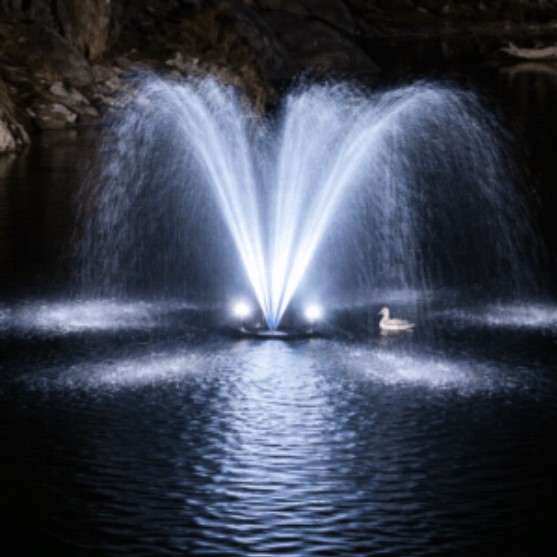
Large ponds are more than just decorative water features; they are ecosystems that benefit from proper aeration and circulation. Floating fountains for large ponds have become increasingly popular because they offer a practical way to improve water quality, reduce algae growth, and enhance visual appeal without extensive infrastructure. However, for pond owners looking to reduce energy costs and environmental impact, choosing an energy-efficient floating fountain is essential. This blog explores the most energy-efficient options, what to consider when purchasing, and how to optimize performance for large ponds.
Why Energy Efficiency Matters
Large ponds require powerful pumps to move enough water for effective aeration and circulation. Traditional fountain systems can consume significant electricity, especially if they run continuously. Energy-efficient floating fountains for large ponds can deliver the same benefits while reducing operational costs and carbon footprint. This is particularly important for commercial properties, farms, golf courses, and large residential ponds where fountains may run 24/7.
Energy-efficient fountains also help protect the pond ecosystem. Overheating from high-energy pumps can affect aquatic life, while excessive water movement can disrupt habitats. Efficient systems balance oxygenation with minimal disturbance, promoting healthier fish and plant life.
How Floating Fountains Improve Water Quality
Floating fountains primarily improve water quality through aeration and circulation. When water is drawn up and sprayed into the air, it increases oxygen exchange with the atmosphere. This process supports beneficial bacteria that break down organic waste and reduces conditions favorable to algae and harmful bacteria.
Large ponds often face issues such as:
- Stagnant water zones
- Excessive algae blooms
- Low dissolved oxygen levels
- Accumulation of debris
A floating fountain creates continuous movement, which helps prevent stagnation and distributes oxygen more evenly. This is crucial in large ponds where surface aerators alone may not reach deeper or distant areas.
Key Features of Energy-Efficient Floating Fountains
1. Variable Speed Pumps
One of the most effective ways to reduce energy consumption is by using variable speed pumps. These pumps allow users to adjust water flow based on the time of day, weather conditions, and pond needs. Running at lower speeds during cooler hours or when full aeration is not required can significantly cut electricity use.
2. Solar-Powered Options
Solar-powered floating fountains are a popular choice for eco-conscious pond owners. They use photovoltaic panels to generate electricity, eliminating the need for grid power. While solar fountains may have lower output compared to electric models, advancements in solar technology have made them more viable for large ponds. Some models combine solar with battery storage to maintain performance during cloudy days and at night.
3. High-Efficiency Motors
Look for fountains with high-efficiency motors rated for continuous operation. Premium models often feature brushless DC motors that consume less power and have longer lifespans. These motors also run quieter, reducing noise pollution around the pond.
4. Proper Sizing and Spray Patterns
Energy efficiency is not only about the pump; it also depends on the fountain design. Selecting the correct nozzle and spray pattern can reduce power needs while maintaining visual impact. For large ponds, wide, low spray patterns can create effective circulation without requiring maximum pump output.
Choosing the Right Floating Fountain for Large Ponds
When selecting a floating fountain for a large pond, consider the following:
- Pond size and depth: Ensure the fountain can circulate a sufficient volume of water.
- Power source: Decide between electric, solar, or hybrid systems based on availability and budget.
- Aeration needs: Determine whether the pond requires more oxygenation or aesthetic value.
- Maintenance requirements: Energy-efficient systems often require less frequent maintenance but still need routine checks for debris, algae, and wear.
Professional consultation can be beneficial, especially for ponds over 1 acre. A pond specialist can recommend the right fountain capacity and placement to ensure optimal performance.
Installation and Maintenance Tips
To maximize energy efficiency, place the fountain where it can create the most circulation without obstacles. Avoid areas with heavy debris or dense vegetation that can clog the pump. Regularly clean intake screens and check the pump for any wear. In winter climates, remove or winterize the fountain to prevent damage and conserve energy.
Conclusion
Energy-efficient floating fountains for large ponds offer a sustainable way to improve water quality, increase oxygen levels, and enhance the overall aesthetic of the landscape. By choosing the right pump, motor, and design, pond owners can reduce energy consumption while maintaining effective aeration and circulation. For those looking to enhance the pond’s visual appeal while keeping energy use low, consider incorporating pond fountain lights. Proper sizing, placement, and routine maintenance ensure the fountain performs efficiently year-round.